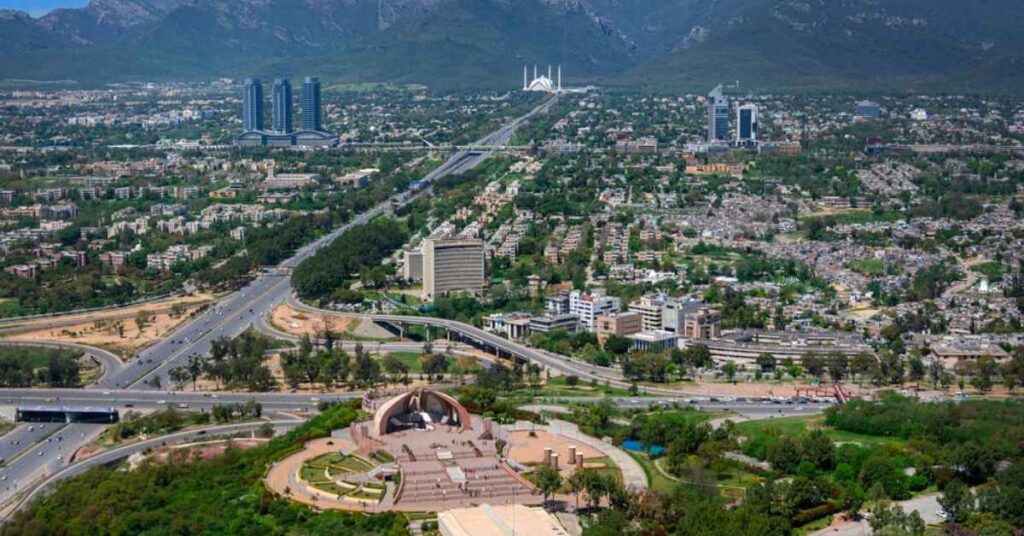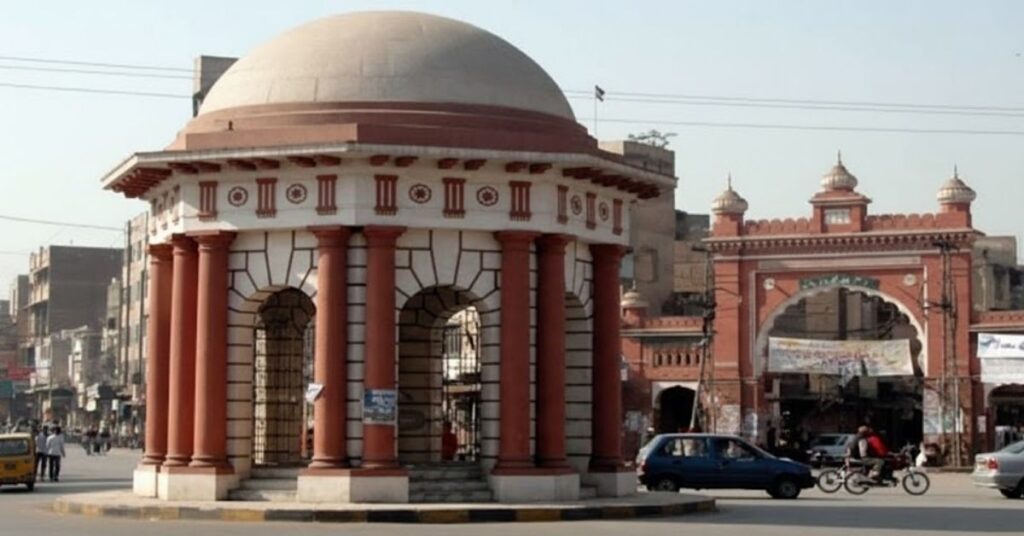
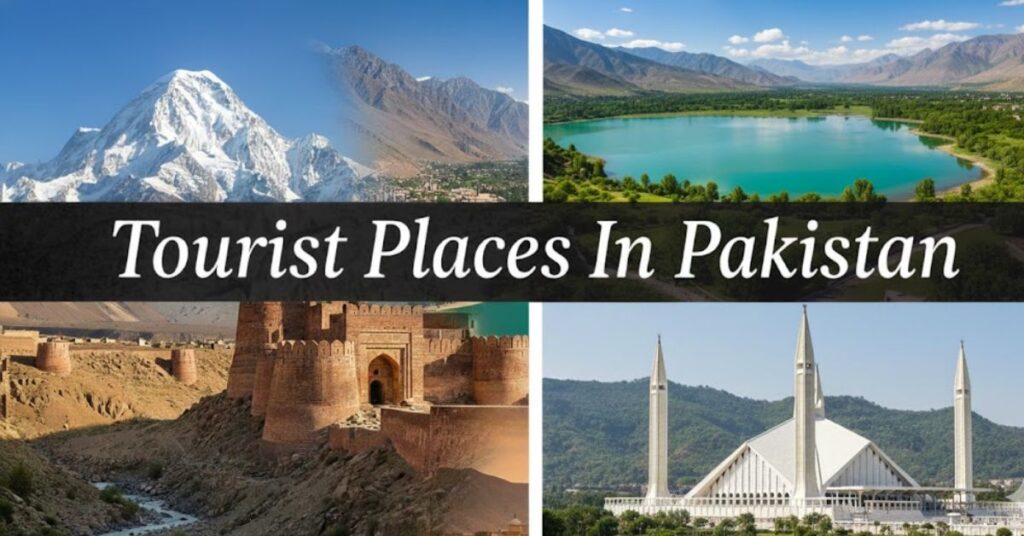
Pakistan is home to some of the best tourist spots in Pakistan, offering a rare blend of breathtaking natural beauty, ancient history, cultural richness, and unforgettable adventure. Whether you’re a nature lover, history enthusiast, or someone seeking peaceful escapes, Pakistan presents a remarkable diversity that few countries can match. From the snow-covered peaks of the Northern Areas to the turquoise lakes of Kashmir, the vibrant streets of Lahore, and the untouched coastline of Balochistan every region tells a different story.
Travelers from around the world consider Pakistan one of the top tourist spots in Pakistan because of its unmatched hospitality, dramatic landscapes, budget-friendly travel, and experiences that feel both raw and magical. In recent years, improved infrastructure, digital navigation, and easier access to remote valleys have made tourism in Pakistan more convenient and safer than ever before.
This guide explores the best tourist places to visit in Pakistan, taking you through iconic destinations as well as underrated, lesser-known valleys and landscapes. Whether you’re planning your first trip or returning for another adventure, this comprehensive travel guide will help you discover why Pakistan is quickly becoming a must-visit destination for explorers worldwide.
Why Pakistan Should Be Your Next Travel Destination
Pakistan is rapidly emerging as one of the best tourist spots in Pakistan, attracting travelers with its unmatched diversity, affordability, cultural warmth, and raw natural charm. Whether you’re dreaming of snow-covered mountains, blue-water beaches, ancient archaeological ruins, or modern metropolitan experiences, Pakistan offers a travel journey that feels both adventurous and deeply enriching.
Overview of Pakistan Tourism
Tourism in Pakistan has seen a remarkable rise in recent years, thanks to improved security, better road networks, and global recognition from top travel platforms. International influencers, vloggers, and travel magazines consistently highlight Pakistan as one of the top tourist spots in Pakistan praising its hospitality, dramatic landscapes, and authentic cultural experiences.
Key strengths of Pakistan tourism include:
- Diverse geography: from deserts to glaciers
- Budget-friendly travel: ideal for backpackers and families
- Rich cultural heritage: spanning over 7,000+ years
- Warm hospitality: often considered the best in the world
- Adventure opportunities: trekking, camping, skiing, boating, and more
What Makes Pakistan Unique in 2026
Pakistan in 2026 offers something new for every type of traveler. Compared to other Asian destinations, Pakistan still preserves untouched natural beauty making each trip feel exclusive and pure.
What sets Pakistan apart in 2026?
- Improved tourism infrastructure: better highways, tourist resorts, rest houses, and digital facilities
- Social media exposure: more global awareness of hidden valleys and lakes
- Safe, coordinated travel pathways: focused especially on northern areas
- Newly developed eco-tourism spots: forests, viewpoints, and hiking trails
- Adventure tourism growth: skiing, ziplining, paragliding, and high-altitude treks
Pakistan is also becoming a top choice for digital nomads, nature photographers, honeymoon couples, and road-trip enthusiasts.
Experience Diversity: Mountains, Beaches, History, Cities
No other country offers such a dramatic shift in landscapes within a single road trip. Pakistan lets you experience four different worlds in one country:
1. Mountains & Valleys
Pakistan’s mountains and valleys are the crown jewels of its natural beauty, offering breathtaking views, lush greenery, and crystal-clear rivers. From the towering peaks of Hunza and Skardu to serene meadows like Fairy Meadows, these regions are perfect for trekking, photography, and adventure. Exploring them gives travelers a chance to experience the raw and untouched charm of the country’s northern landscapes.
2. Beaches & Coastline
Pakistan’s beaches and coastline offer a serene escape from city life, featuring golden sands, turquoise waters, and dramatic cliffs. From the untouched shores of Balochistan to the popular beaches of Karachi, these coastal areas are perfect for relaxation, photography, and seaside adventures. The coastline showcases a unique blend of natural beauty and tranquility, making it one of the top tourist spots in Pakistan for nature lovers.
3. History & Civilization
Pakistan’s rich history and ancient civilizations make it a treasure trove for culture and heritage lovers. From the ruins of Mohenjo-Daro to the grandeur of Mughal architecture, the country offers a journey through thousands of years of human achievement. Exploring these historical sites allows travelers to connect with the stories, traditions, and remarkable achievements of past civilizations.
4. Modern Cities
Pakistan’s modern cities showcase a vibrant blend of contemporary life, culture, and development. Cities like Islamabad, Karachi, and Lahore offer modern architecture, bustling markets, trendy cafes, and entertainment hubs alongside historical landmarks. Exploring these urban centers gives travelers a dynamic experience of Pakistan’s growth, lifestyle, and cosmopolitan charm.
Top Tourist Regions in Pakistan
Pakistan is home to some of the best tourist spots in Pakistan, and its diverse regions offer completely different travel experiences from icy peaks and lush meadows to historical sites and coastal gems. Below is a region-by-region breakdown of Pakistan’s most loved and most underrated tourist places, combining famous locations with hidden treasures.
Northern Areas: The Crown of Pakistan Tourism
The Northern Areas remain the heart of Pakistan’s tourism industry. With their heavenly landscapes, world-class trekking routes, vibrant local cultures, and breathtaking valleys, this region is considered one of the top tourist spots in Pakistan for both local and international travelers.
Hunza Valley
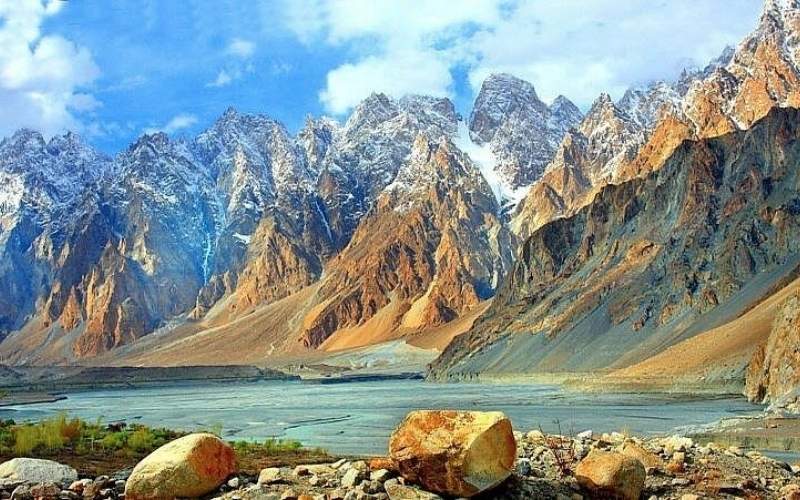
Hunza Valley, often called the jewel of Pakistan’s north, is famous for its breathtaking landscapes, snow-capped peaks, and terraced orchards. Visitors can explore historic forts, crystal-clear lakes, and vibrant local culture while enjoying panoramic views of the Karakoram Range. This serene valley offers an unforgettable experience, making it one of the best tourist spots in Pakistan.
Top Attractions: Attabad Lake, Baltit Fort, Eagle’s Nest.
Best Time to Visit: April–October.
Why Visit: Snowy peaks, historic forts, and peaceful scenic beauty in one place.
Skardu Valley
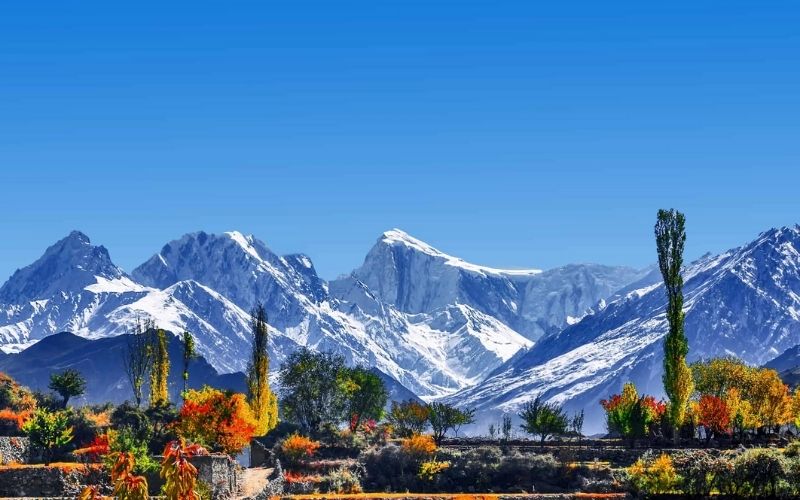
Skardu Valley, located in the heart of Gilgit-Baltistan, is a gateway to some of the world’s highest peaks and stunning glaciers. Known for its dramatic landscapes, serene lakes, and majestic mountains, it is a paradise for trekkers, photographers, and nature lovers. Skardu offers an unforgettable mix of adventure, tranquility, and breathtaking beauty, making it one of the top tourist spots in Pakistan.
Top Attractions: Shangrila, Deosai Plains, Skardu Fort.
Best Time to Visit: May–September.
Why Visit: World-famous lakes and access to some of the highest mountains.
Naran & Kaghan
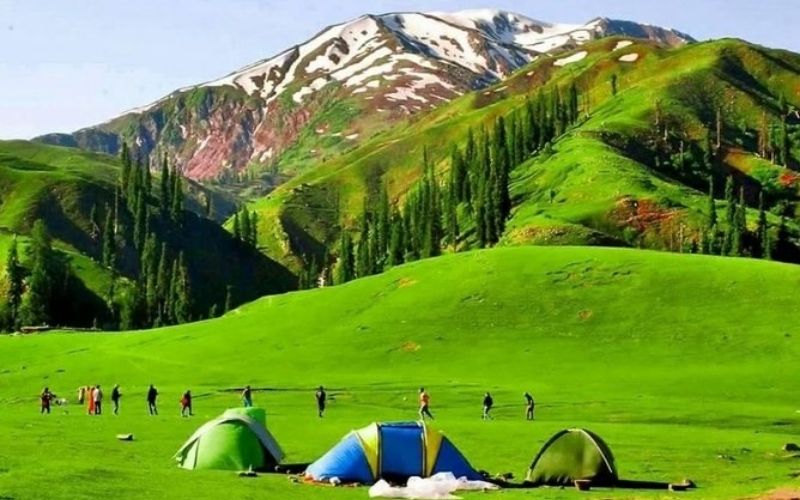
Naran and Kaghan Valleys are two of Pakistan’s most popular tourist destinations, known for their lush green meadows, sparkling rivers, and majestic mountains. These valleys offer picturesque lakes like Saif-ul-Malook, scenic viewpoints, and a variety of adventure activities such as trekking and boating. Ideal for families and nature enthusiasts alike, Naran and Kaghan reveal the tranquil charm of northern Pakistan.
Top Attractions: Saif-ul-Malook, Babusar Top, Lulusar Lake.
Best Time to Visit: June–September.
Why Visit: Lush green valleys, alpine lakes, and refreshing summer weather.
Fairy Meadows
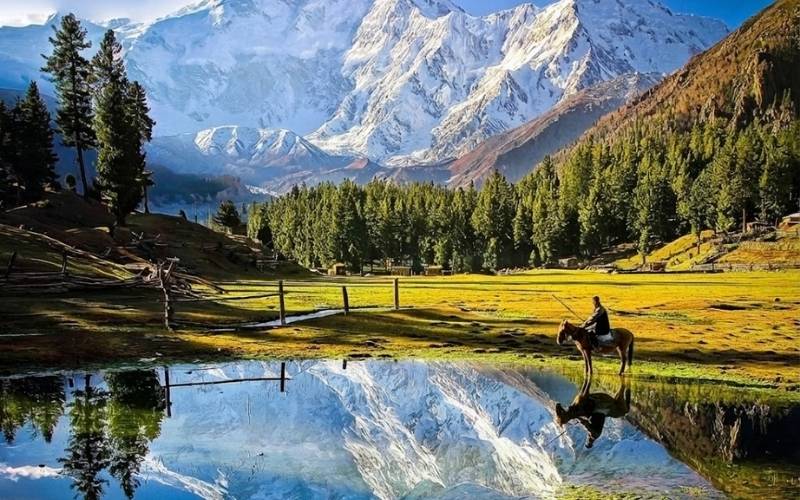
Fairy Meadows is a breathtaking alpine meadow at the base of Nanga Parbat, offering lush green landscapes and stunning mountain views. Known for its serene beauty and camping spots, it is a paradise for trekkers and nature lovers. This enchanting destination is one of the most unforgettable places in northern Pakistan.
Top Attractions: Nanga Parbat viewpoint, forest trails.
Best Time to Visit: June–September.
Why Visit: Stunning Nanga Parbat views and magical camping experience.
Naltar Valley
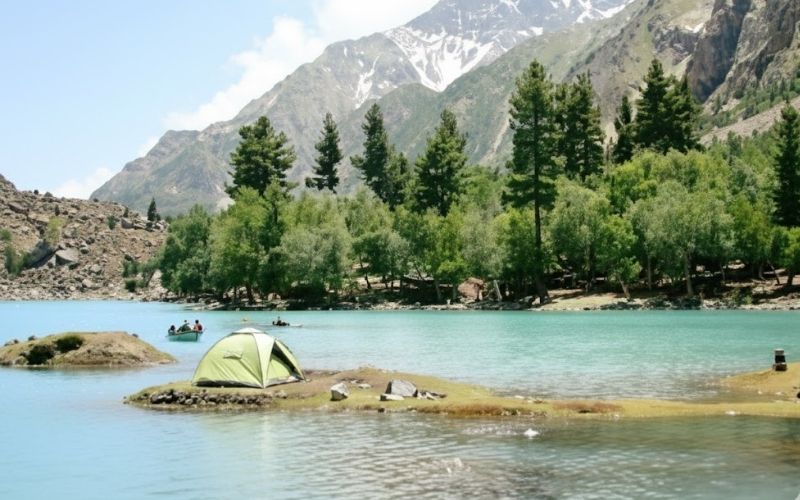
Naltar Valley, nestled in Gilgit-Baltistan, is famous for its vibrant lakes, lush pine forests, and stunning mountainous scenery. Known as the “Valley of Colors,” it offers a peaceful escape with opportunities for skiing in winter and trekking in summer. Naltar Valley is a must-visit destination for nature lovers and adventure seekers exploring northern Pakistan.
Top Attractions: Naltar Lakes, Ski Resort.
Best Time to Visit: May–August.
Why Visit: Colorful lakes and serene forest landscapes away from crowds.
Shogran
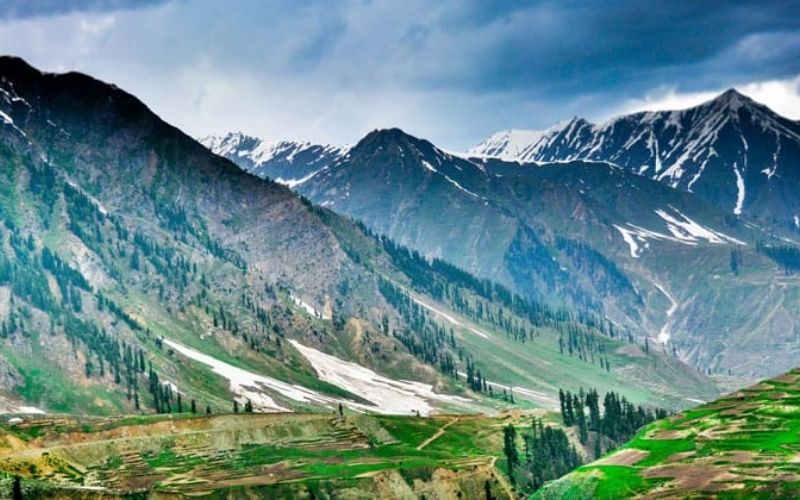
Shogran is a scenic plateau in the Kaghan Valley, known for its lush meadows, pine forests, and panoramic mountain views. It is a perfect destination for families, couples, and nature enthusiasts seeking tranquility and fresh mountain air. Shogran also serves as a base for exploring nearby trekking trails and picturesque viewpoints.
Top Attractions: Siri Paye Meadows.
Best Time to Visit: May–September.
Why Visit: Calm meadows with panoramic mountain viewpoints.
Yasin Valley
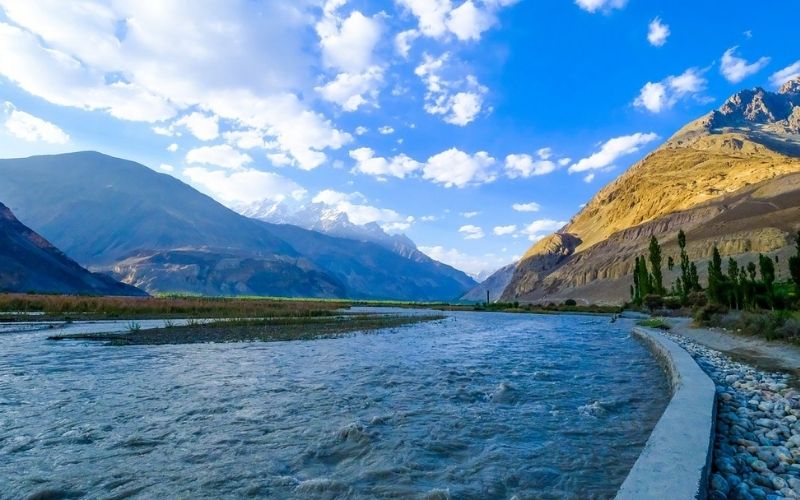
Yasin Valley, a serene and less-explored valley in northern Pakistan, is known for its stunning landscapes, peaceful villages, and unique mountain culture. Offering a quiet escape from crowded tourist spots, it is perfect for travelers seeking tranquility, natural beauty, and authentic local experiences. Yasin Valley stands out as one of Pakistan’s hidden gems in the north.
Top Attractions: Darkut Pass, peaceful villages.
Best Time to Visit: June–September.
Why Visit: Quiet, untouched beauty perfect for peaceful escapes.
Phander
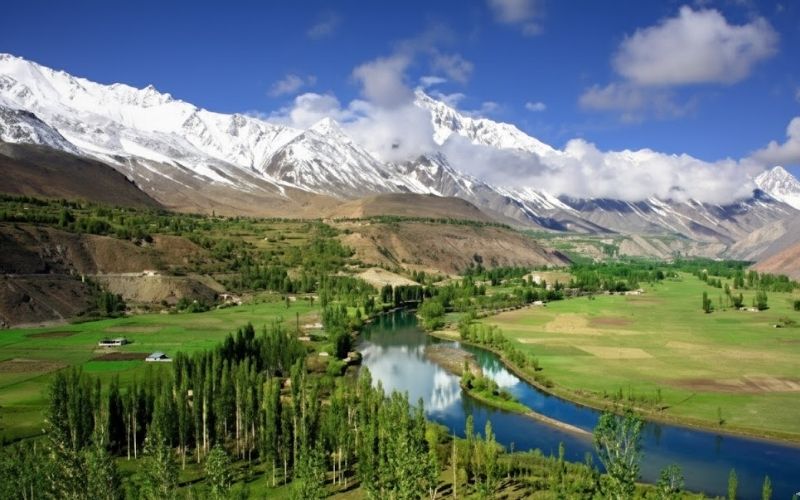
Phander Valley is a hidden gem in Gilgit-Baltistan, famous for its crystal-clear lake and breathtaking mountain scenery. Perfect for photographers and nature lovers, it offers serene landscapes and a peaceful escape from crowded tourist spots. Phander is truly a slice of paradise in northern Pakistan.
Top Attractions: Phander Lake, turquoise river views.
Best Time to Visit: June–August.
Why Visit: Turquoise lake views and soothing remote scenery.
Hoper Valley
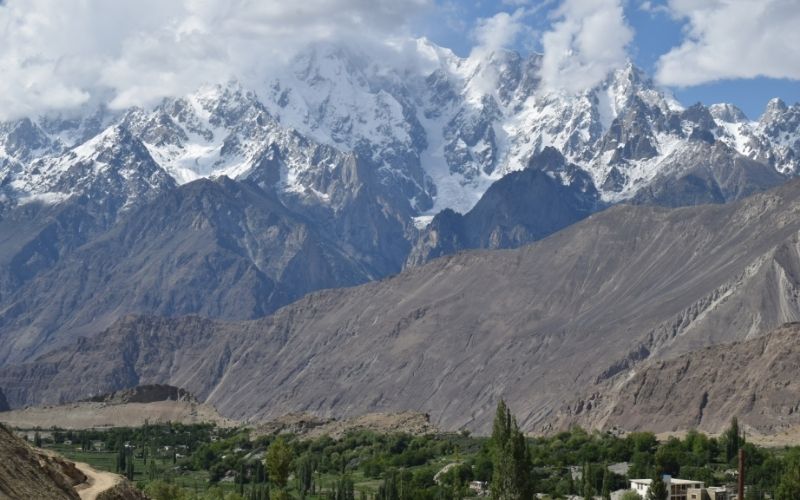
Hoper Valley, located in Gilgit-Baltistan, is renowned for its stunning glacier views and lush green landscapes. A paradise for nature lovers and photographers, it offers serene villages surrounded by towering mountains. Hoper Valley is a perfect destination for a peaceful and scenic escape in northern Pakistan.
Top Attractions: Hoper Glacier, lush terraced fields.
Best Time to Visit: May–October.
Why Visit: Majestic glacier views and dramatic open landscapes.
Patundasa
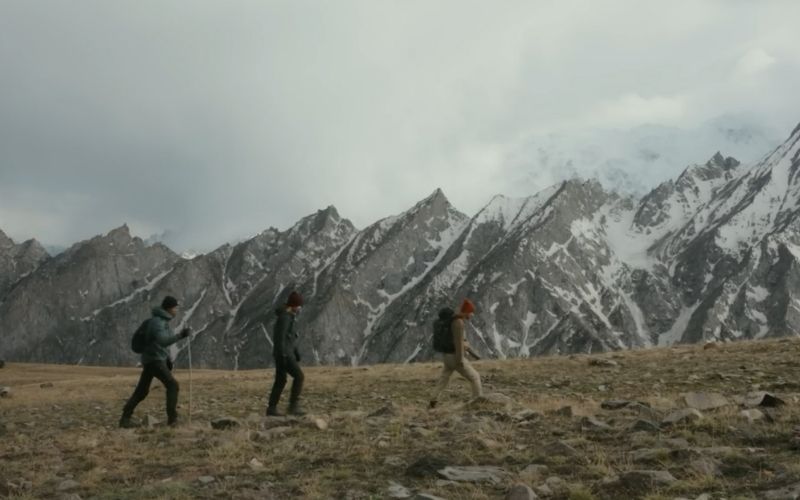
Patundas is a high-altitude viewpoint offering breathtaking views of the Passu Cones and Batura Glacier. It’s a must-visit for trekkers and nature lovers seeking stunning northern landscapes.
Top Attractions: High-altitude meadows, glacier views.
Best Time to Visit: July–September.
Why Visit: One of the best panoramic trekking viewpoints in Pakistan.
Shimshal Valley
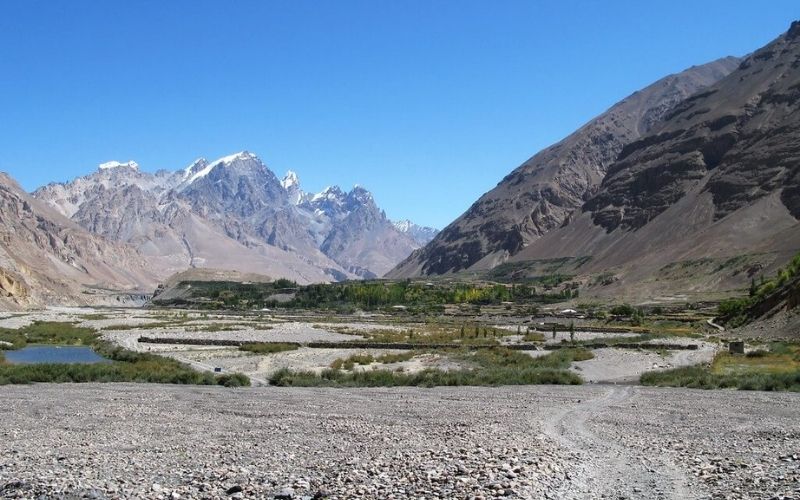
Shimshal Valley is one of Pakistan’s most remote and adventurous destinations, known for its dramatic mountains and high-altitude treks. It’s a paradise for trekkers and adventure seekers exploring northern Pakistan.
Top Attractions: Shimshal Pass, adventure treks.
Best Time to Visit: June–September.
Why Visit: Rugged mountains, thrilling treks, and high-altitude adventure.
Chapursan
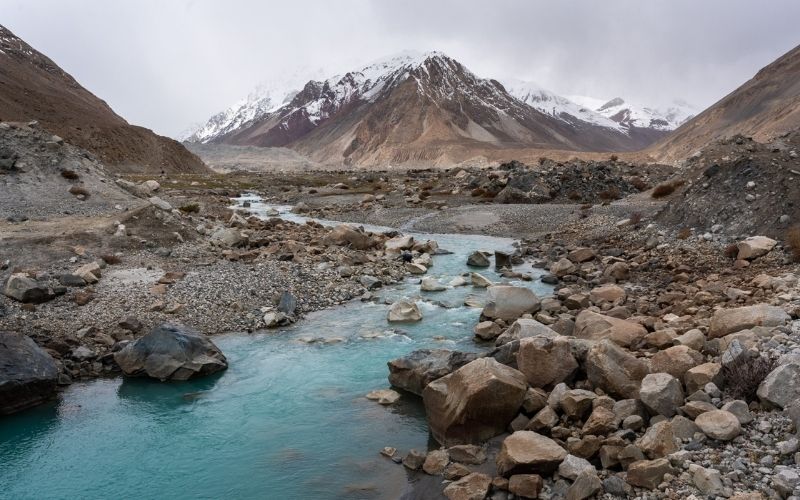
Chapursan Valley, near the Afghan border, is a remote and pristine destination known for its untouched landscapes and peaceful environment. It’s perfect for travelers seeking solitude and natural beauty in northern Pakistan.
Top Attractions: Baba Ghundi Shrine, rugged mountains.
Best Time to Visit: June–September.
Why Visit: Mystical Sufi heritage surrounded by raw natural beauty.
Misgar Valley
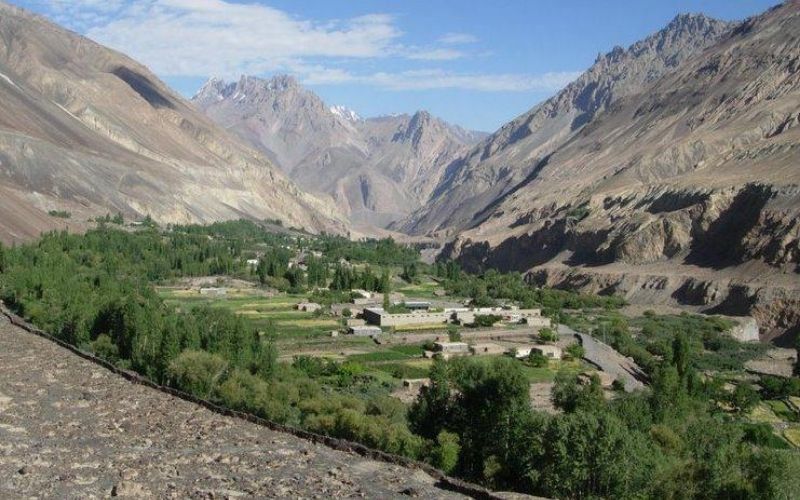
Misgar Valley, located in northern Pakistan, is a hidden gem known for its rugged landscapes and panoramic mountain views. It’s ideal for adventure seekers and travelers looking for off-the-beaten-path experiences.
Top Attractions: Qalandar Lake, historic forts.
Best Time to Visit: June–September.
Why Visit: Remote wilderness ideal for explorers and nature lovers.
Snow Lake
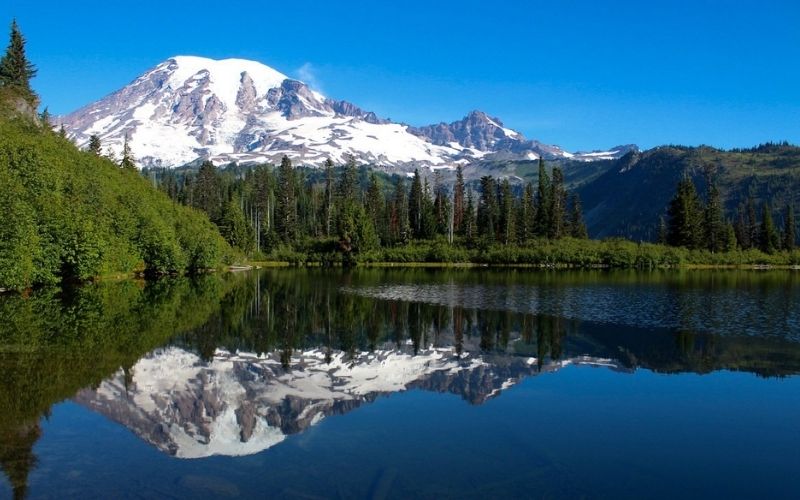
Snow Lake is a remote, high-altitude glacier in northern Pakistan, famed for its vast icy expanse and breathtaking mountain scenery. It’s a dream destination for trekkers and adventure enthusiasts seeking an extraordinary challenge.
Top Attractions: Massive glacier basin, trekking routes.
Best Time to Visit: July–August.
Why Visit: A surreal glacier basin offering one of the world’s greatest treks.
Broghil
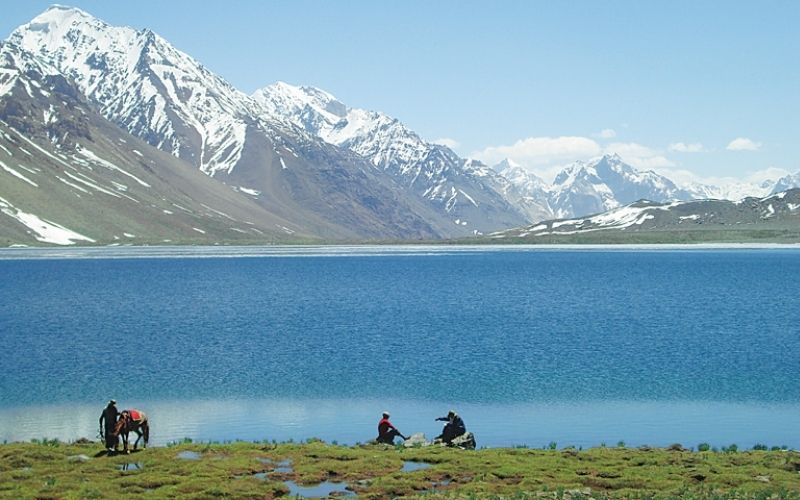
Broghil Valley, located in the far north of Pakistan, is known for its pristine meadows, high mountains, and unique wildlife. It’s a perfect destination for adventure seekers and nature lovers looking for untouched landscapes.
Top Attractions: Karambar Lake, wild untouched landscapes.
Best Time to Visit: July–September.
Why Visit: Wild high-altitude landscapes far from civilization.
Kashmir & Its Dreamlike Valleys
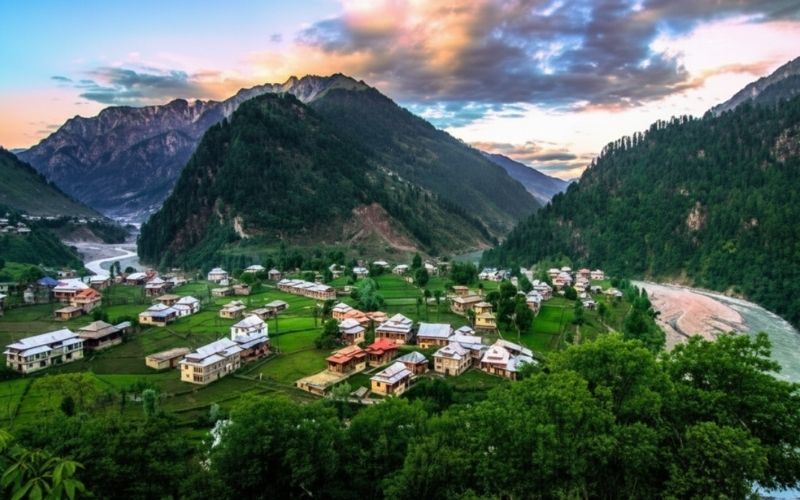
Kashmir and its dreamlike valleys offer lush landscapes, flowing rivers, and serene mountain views. This region is a paradise for nature lovers and travelers seeking tranquility and breathtaking scenery.
Top Attractions: Lakes, waterfalls, pine forests.
Best Time to Visit: April–October.
Why Visit: Heavenly rivers, meadows, and postcard-perfect scenery.
Neelum Valley
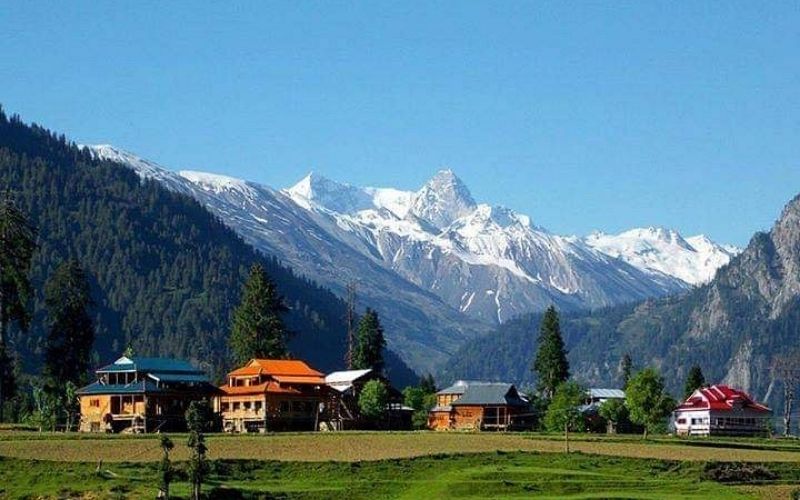
Neelum Valley, often called the “Blue Gem of Pakistan,” is renowned for its lush green landscapes, crystal-clear rivers, and charming villages. Nestled in Azad Kashmir, the valley offers breathtaking views, waterfalls, and serene spots perfect for relaxation and photography. It is a must-visit destination for nature lovers and adventure seekers exploring northern Pakistan.
Top Attractions: Arang Kel, Kutton Waterfall, Sharda.
Best Time to Visit: May–October.
Why Visit: Crystal rivers, wooden villages, and beautiful waterfalls.
Azad Kashmir Hotspots
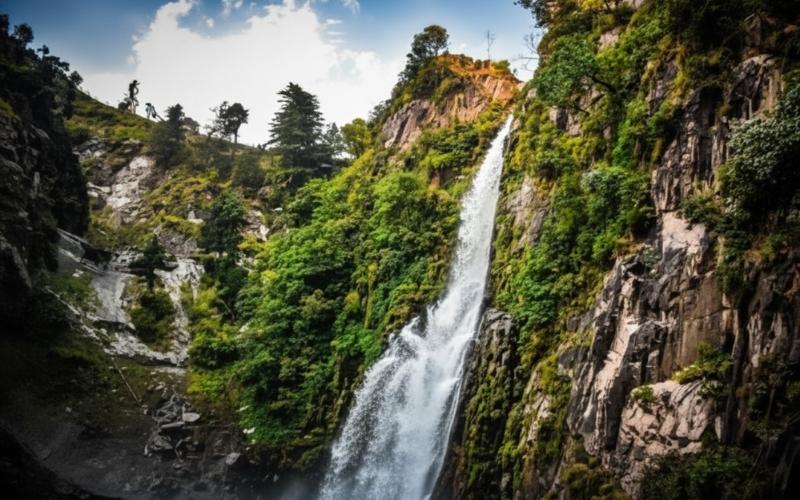
Azad Kashmir hotspots feature lush valleys, flowing rivers, and picturesque landscapes that captivate every traveler. This region is ideal for sightseeing, photography, and experiencing the natural beauty of northern Pakistan.
- Rawalakot
- Banjosa Lake
- Pir Chinasi
- Leepa Valley
These destinations are ideal for family trips and nature lovers.
Top Attractions: Banjosa, Pir Chinasi, Tolipeer.
Best Time to Visit: April–October.
Why Visit: Diverse nature including lakes, forests, and lush valleys.
Shounter Lake
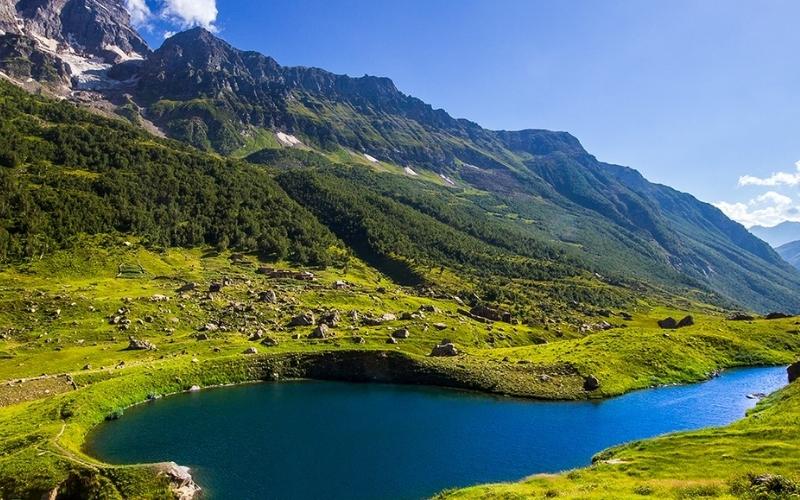
Shounter Lake, located in Azad Kashmir, is a pristine alpine lake surrounded by snow-capped peaks. It’s a serene and picturesque spot, perfect for nature lovers and photographers seeking tranquility.
Top Attractions: Emerald alpine lake.
Best Time to Visit: July–September.
Why Visit: Turquoise alpine beauty ideal for adventure seekers.
Swat & Surrounding Valleys
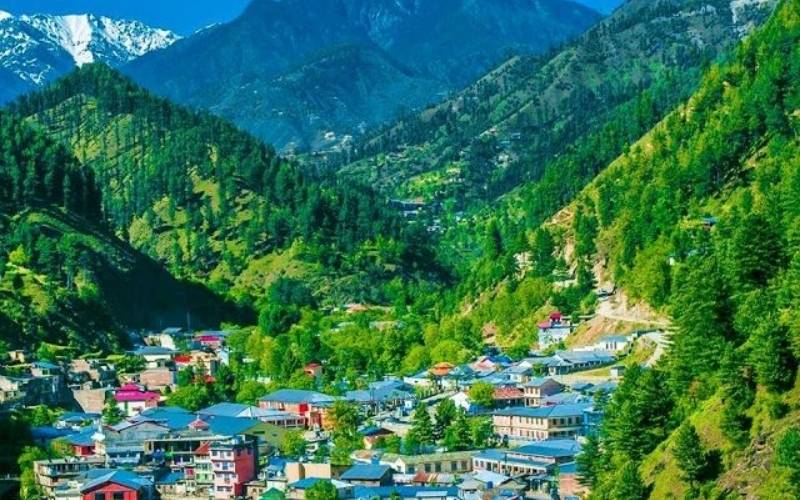
Swat and its surrounding valleys, often called the “Switzerland of Pakistan,” are famous for lush greenery, rivers, and majestic mountains. This region is perfect for nature lovers, trekkers, and travelers seeking serene landscapes and cultural experiences.
Top Attractions: Waterfalls, rivers, mountain villages.
Best Time to Visit: March–October.
Why Visit: Switzerland-like scenery with rivers, forests, and mountains.
Kalam Valley
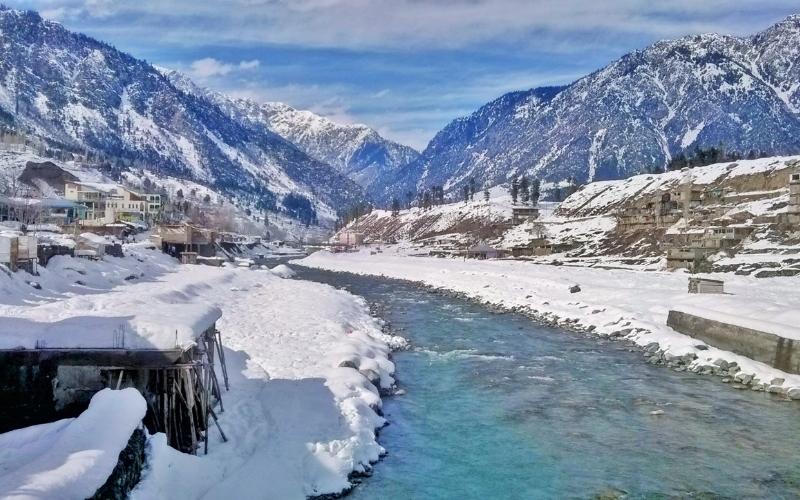
Kalam Valley, located in the upper Swat region, is known for its lush forests, rivers, and scenic mountain views. It’s a popular destination for nature lovers, trekkers, and travelers seeking serene landscapes in northern Pakistan.
Top Attractions: Ushu Forest, Mahodand Lake.
Best Time to Visit: May–September.
Why Visit: Fresh waterfalls, streams, and cool summer weather.
Malam Jabba
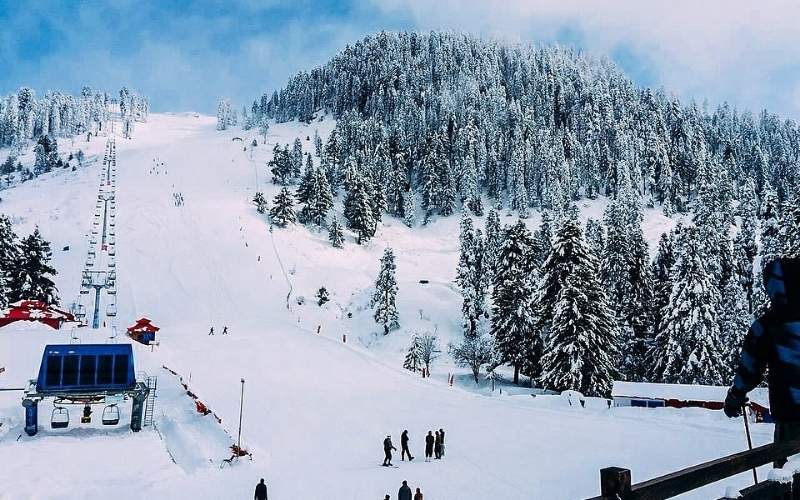
Malam Jabba, famous for its ski resorts and snow-covered slopes, is a top winter destination in Pakistan. It’s perfect for adventure lovers seeking skiing, snowboarding, and breathtaking mountain views.
Top Attractions: Ski resort, chairlift, hiking trails.
Best Time to Visit: December–March (snow).
Why Visit: Ski resort fun with scenic snow and adventure rides.
Chitral & Kalash – Home of Unique Culture
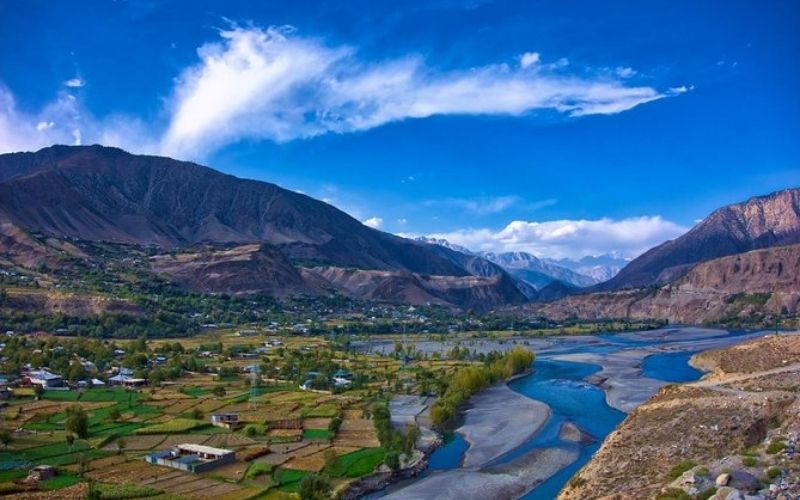
Chitral and the Kalash Valley are renowned for their stunning landscapes and unique cultural heritage. Visitors can explore ancient traditions, colorful festivals, and the majestic mountains of northern Pakistan.
- Chitral offers mountain views, historical forts, and wildlife.
- Kalash Valley is known for its unique Kalashi tribes, festivals, wooden architecture, and vibrant traditions one of the world’s rarest surviving cultures.
Top Attractions: Kalash villages, Tirich Mir.
Best Time to Visit: April–September.
Why Visit: Unique ancient culture surrounded by dramatic mountains.
Murree & Galiyat – The Evergreen Getaway
Murree remains one of Pakistan’s most visited hill stations.
Galiyat (Ayubia, Nathia Gali, Dunga Gali, Bara Gali) offers peaceful forested walks, hiking trails, and foggy weather perfect for couples and families.
Top Attractions: Nathia Gali, Ayubia, Mall Road.
Best Time to Visit: March–October (snow lovers: Dec–Feb).
Why Visit: Easy-access hill stations with cool weather and forest views.
Historical & Cultural Wonders of Pakistan
Pakistan is not only a land of natural beauty but also a treasure trove of history and culture, making it one of the best tourist spots in Pakistan for travelers seeking a deeper connection with the past. From ancient civilizations to vibrant cities, the country’s heritage reflects thousands of years of diverse human experiences.
Ancient Civilizations & UNESCO Heritage Sites
Pakistan is home to some of the world’s oldest civilizations, offering a remarkable journey into human history. From ancient cities like Mohenjo-Daro to grand Buddhist remains and Mughal masterpieces, each site tells a powerful story of culture, innovation, and heritage. These UNESCO-listed treasures showcase Pakistan’s timeless legacy and make it a must-visit destination for history lovers.
Mohenjo-Daro
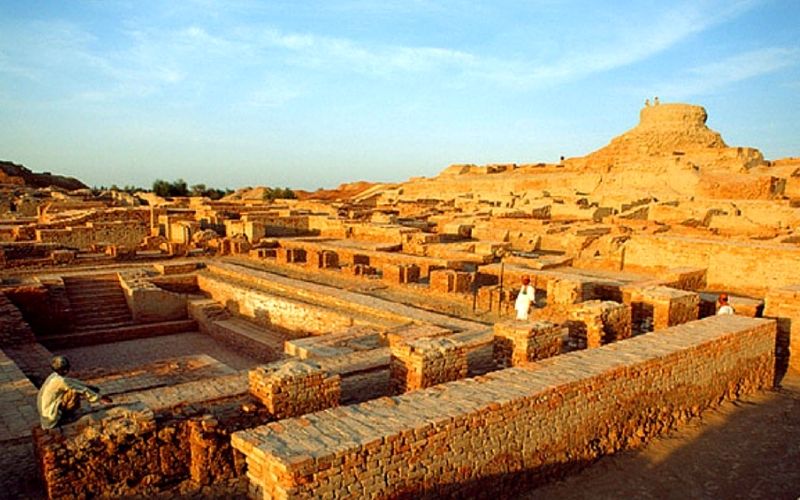
Mohenjo-Daro, one of the world’s earliest urban civilizations, stands as a timeless symbol of the Indus Valley’s brilliance. Known as the “Mound of the Dead,” this ancient city features advanced drainage systems, planned streets, and remarkable architecture that still amazes historians today. A UNESCO World Heritage Site, Mohenjo-Daro offers visitors a rare chance to step back over 4,000 years into the roots of human civilization.
- Era: Indus Valley Civilization (c. 2500 BCE)
- Highlights: Ancient city layout, Great Bath, granaries, and artifacts
- Why Visit: Experience one of the oldest planned cities in human history.
Makli Necropolis
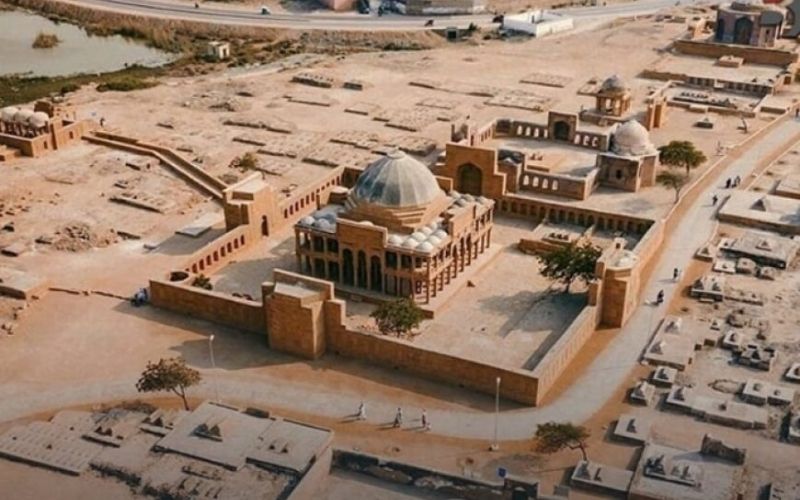
Makli Necropolis, one of the largest graveyards in the world, is a breathtaking testament to Sindh’s ancient history and craftsmanship. Spread across vast hills, this UNESCO World Heritage Site features intricately carved tombs, royal mausoleums, and centuries-old sandstone structures. Makli beautifully reflects the artistic, cultural, and spiritual evolution of the region, making it a must-visit destination for history and architecture lovers.
- Era: 14th–18th century ka historic necropolis.
- Highlights: Stone-carved tombs aur diverse architectural styles.
- Why Visit: Heritage lovers ke liye ek unique ancient city of the dead.
Uuch Sharif
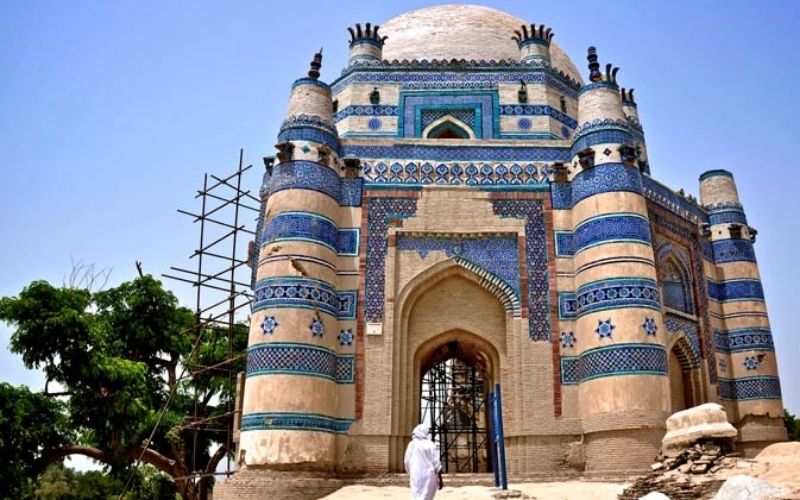
Uch Sharif, one of Pakistan’s oldest spiritual and historical towns, is renowned for its stunning Sufi shrines and centuries-old architectural beauty. Known for its blue-tiled mausoleums and peaceful atmosphere, this ancient city reflects the rich heritage of Islamic art and mysticism. As a UNESCO Tentative Site, Uch Sharif offers visitors a deeply cultural and spiritually uplifting experience.
- Era: 8th–12th century ka Islamic historic town.
- Highlights: Blue-tiled Sufi shrines aur stunning mausoleums.
- Why Visit: Spiritual architecture aur peaceful heritage vibes.
Tomb of Jahangir
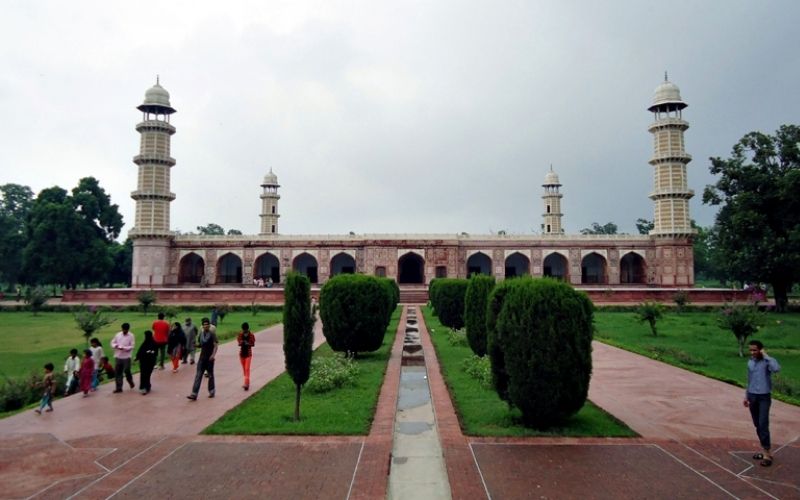
The Tomb of Jahangir, located in Lahore, is one of the finest examples of Mughal architecture and a major historical landmark in Pakistan. Surrounded by lush gardens and intricate fresco work, this majestic mausoleum reflects the artistic elegance of the Mughal era. As a site of cultural and architectural importance, it offers visitors a peaceful and visually captivating journey into the past.
- Era: 17th-century Mughal period ka royal mausoleum.
- Highlights: Red sandstone, marble work, aur Charbagh gardens.
- Why Visit: Mughal architecture aur history explore karne ke liye perfect.
Major Cultural Cities
Pakistan’s major cultural cities are vibrant hubs of history, art, cuisine, and tradition, each offering a unique glimpse into the country’s diverse identity. From Lahore’s Mughal charm to Karachi’s cosmopolitan energy and Peshawar’s ancient heritage, these cities beautifully blend the old with the new. Exploring them means experiencing Pakistan’s true cultural heartbeat through architecture, festivals, food, and everyday life.
Lahore
Lahore, known as the cultural capital of Pakistan, is a city where history, art, and modern life seamlessly blend. Famous for its Mughal architecture, bustling food streets, and vibrant festivals, Lahore offers travelers an unforgettable cultural experience. From the majestic Lahore Fort to the serene Shalimar Gardens, the city is a gateway to exploring Pakistan’s rich heritage.
- Cultural capital of Pakistan
- Highlights: Badshahi Mosque, Lahore Fort, Shalimar Gardens, Walled City
- Known for its vibrant food scene and festivals
Top Attractions: Badshahi Mosque, Lahore Fort, Food Street.
Best Time to Visit: October–March.
Why Visit: Mughal history, vibrant culture, and unmatched food scene.
Islamabad
Islamabad, the modern capital of Pakistan, is known for its clean streets, scenic beauty, and organized layout. Nestled against the backdrop of the Margalla Hills, the city offers a mix of contemporary architecture and natural attractions. Visitors can explore iconic sites like Faisal Mosque, Pakistan Monument, and Daman-e-Koh while enjoying the serene and peaceful environment of the capital.
- Modern capital with planned architecture
- Highlights: Faisal Mosque, Pakistan Monument, Daman-e-Koh viewpoint
Top Attractions: Faisal Mosque, Monal, Margalla Trails.
Best Time to Visit: October–April.
Why Visit: Clean, green, peaceful city with scenic mountain surroundings.
Karachi
Karachi, Pakistan’s largest city and economic hub, is a vibrant metropolis full of life, culture, and diversity. Known for its bustling markets, modern skyline, and scenic coastline, the city offers a unique blend of urban experiences and historic landmarks. From Clifton Beach to the Quaid-e-Azam Mausoleum, Karachi provides travelers a dynamic mix of culture, food, and entertainment.
- Pakistan’s largest city and economic hub
- Highlights: Clifton Beach, Quaid-e-Azam Mausoleum, vibrant markets, and coastal culture
Top Attractions: Clifton Beach, Quaid’s Mausoleum, Dolmen Mall.
Best Time to Visit: November–February.
Why Visit: Beaches, markets, food, and diverse urban life.
Bahawalpur
Bahawalpur, often called the City of Palaces, is a cultural and historical gem in southern Pakistan. Famous for its majestic forts, grand palaces, and proximity to the Cholistan Desert, the city showcases a rich blend of heritage and natural beauty. Visitors can explore landmarks like Derawar Fort, Noor Mahal, and Lal Suhanra National Park while experiencing the region’s unique traditions and landscapes.
- Highlights: Derawar Fort, Noor Mahal, Lal Suhanra National Park
- Offers a blend of desert landscapes and royal heritage
Pakistan’s historical and cultural wonders create an immersive experience for travelers, blending ancient heritage with living traditions, making it an essential stop for anyone exploring the best tourist spots in Pakistan.
Top Attractions: Noor Mahal, Derawar Fort, Lal Suhanra Park.
Best Time to Visit: November–February.
Why Visit: Royal palaces, forts, and historical desert landscapes.
Coastal Beauty & Desert Landscapes
Pakistan is not just about mountains and valleys. Its coastal beauty and desert landscapes provide a completely different kind of adventure. From the untouched beaches of Balochistan to the golden deserts and heritage-rich regions of southern Pakistan, these areas are some of the best tourist spots in Pakistan for nature lovers and explorers seeking tranquility or unique experiences.
Balochistan’s Untouched Coast
Balochistan’s Untouched Coast is a hidden gem of Pakistan, offering pristine beaches, dramatic cliffs, and serene landscapes far from the crowds. This rugged coastline is perfect for nature lovers, photographers, and travelers seeking tranquility and adventure. With unique spots like Hingol National Park and Kund Malir, it showcases the raw, untouched beauty of southern Pakistan.
Hingol National Park
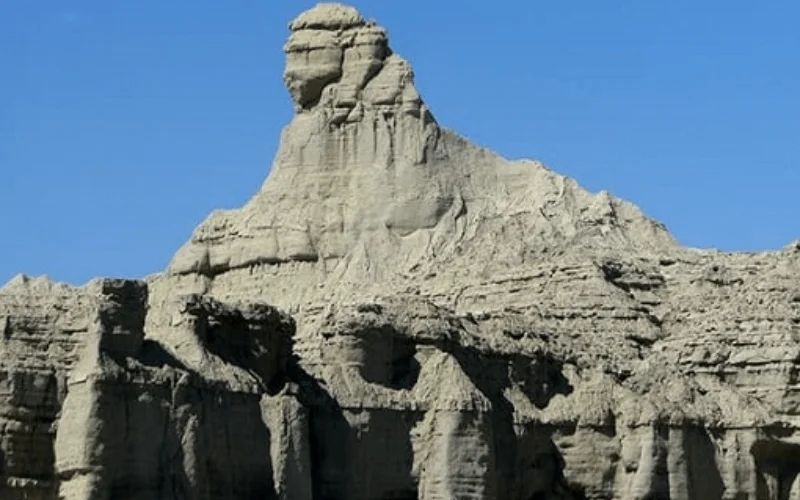
Hingol National Park is a stunning blend of rugged mountains, desert landscapes, and breathtaking coastal beauty. From the iconic Princess of Hope to the wild Hingol River, this park offers an unforgettable adventure in Balochistan.
- Largest national park in Pakistan
- Features dramatic landscapes, mud volcanoes, and the famous Princess of Hope rock formation
- Home to diverse wildlife including ibex, wild goats, and migratory birds
Balochi Coast
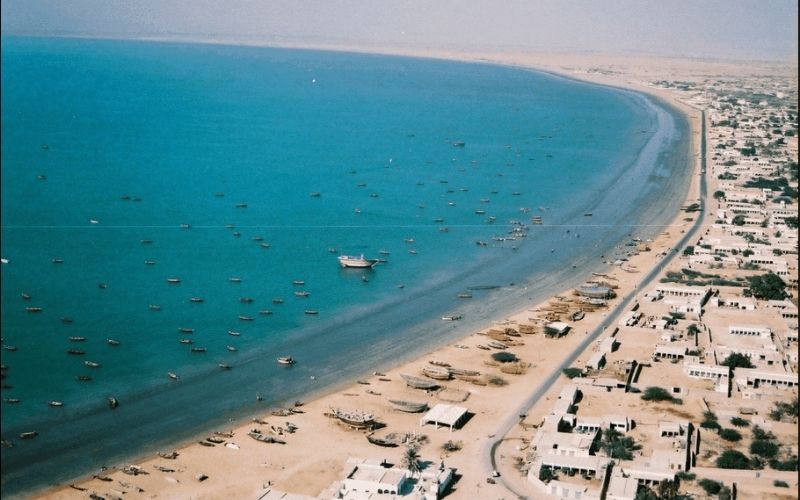
Balochi Coast offers a rare mix of untouched beaches, turquoise waters, and dramatic cliffs stretching along the Arabian Sea. It’s the perfect escape for travelers seeking raw natural beauty and peaceful coastal vibes.
- Long stretches of untouched beaches and cliffs
- Ideal for photography, camping, and quiet retreats
Kund Malir
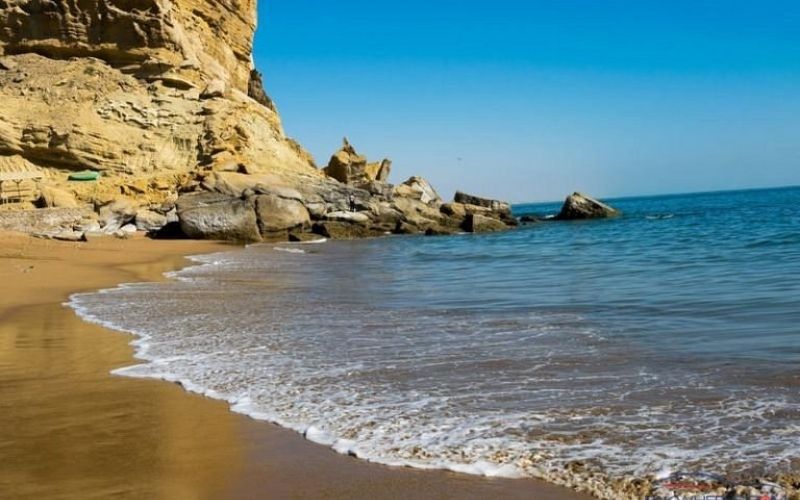
Kund Malir is a stunning coastal gem with golden sands, crystal-blue waters, and a peaceful atmosphere that feels worlds away from city life. It’s one of Pakistan’s most scenic and relaxing beach destinations.
- A turquoise-blue coastline with golden sand and dramatic backdrops
- Perfect for beach picnics and nature exploration
Gwadar Cricket Stadium
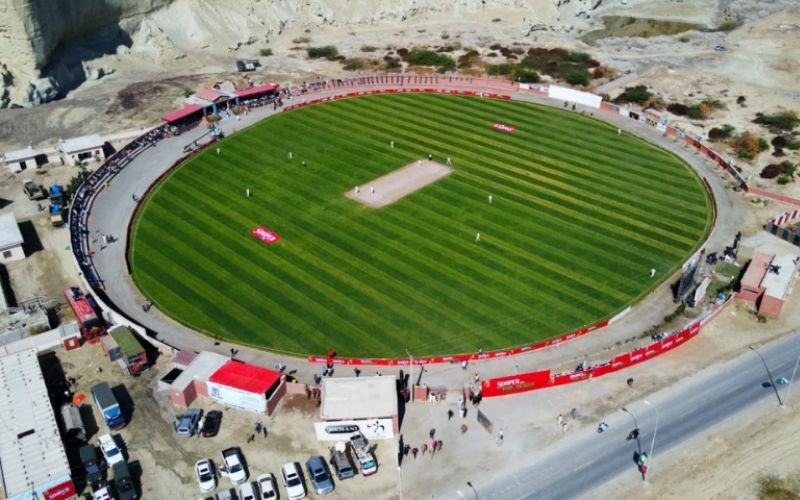
Gwadar Cricket Stadium is one of the world’s most breathtaking sports arenas, surrounded by majestic mountains and overlooking the deep-blue Arabian Sea. It’s a place where cricket meets stunning natural beauty.
- A modern highlight amidst natural beauty
- Offers a glimpse of urban development along the serene coastline
Southern Pakistan Highlights
Southern Pakistan combines deserts, beaches, and heritage for travelers seeking variety in one region.
- Beaches: Clifton Beach, Hawksbay, Sandspit Beach
- Deserts: Thar Desert, Cholistan Desert (including Derawar Fort)
- Heritage Sites: Mohenjo-Daro, ancient city ruins, and historic forts
- Activities: Desert safaris, camel rides, beach camping, cultural tours
Whether you are chasing adventure, tranquility, or cultural exploration, the coastal and desert landscapes of Pakistan provide a perfect complement to the northern mountains, making the country one of the top tourist spots in Pakistan.
Best Tours and Travel Experiences in Pakistan
Exploring Pakistan becomes even more memorable when you choose the right tour experience. Whether you’re a solo traveler, a family, or an international visitor, Pakistan offers a wide variety of tour types that cater to every travel style. From private luxury packages to budget-friendly city tours, these experiences make it easier to discover the best tourist spots in Pakistan without hassle.
Popular Tourist Experiences
These are the most in-demand and highly recommended tour styles across Pakistan. They help travelers explore iconic attractions while ensuring comfort, safety, and expert local guidance.
Private Sightseeing Tours
- Ideal for families, couples, and foreigners
- Offer flexible timings and custom itineraries
- Highlight iconic destinations including Hunza, Skardu, Islamabad, Lahore, and Karachi.
Luxury Tours
- High-end transport, premium hotels, and curated experiences
- Include luxury stays in Hunza, Skardu, Murree, Islamabad, and Gwadar
- Best for honeymooners and comfort-focused travelers
Cultural Tours
- Discover local traditions, food, festivals, and handicrafts
- Popular in Lahore, Multan, Peshawar, Kalash, and Sindh
- Perfect for history & culture lovers
Historical Tours
- Guided visits to UNESCO sites and ancient civilizations
- Includes Mohenjo-Daro, Makli Necropolis, Uch Sharif, Taxila, Lahore Fort, and more.
City Tours
- Half-day or full-day tours
- Explore museums, monuments, food streets, markets, and viewpoints
- Popular cities: Islamabad, Karachi, Lahore, Peshawar
Types of Tours Available
Different travelers have different needs, so Pakistan offers a wide range of tour formats tailored to your schedule and adventure level.
Day Trips
- Explore one major attraction in a single day
- Great for weekend travelers, families & short vacations
- Examples: Khanpur Dam, Patriata, Nathiagali, Makra Peak trek
1-Day Tours
- Quick guided tours to nearby tourist points
- Perfect for visitors staying in Islamabad, Lahore, or Karachi
- Examples: Khewra Salt Mine, Rohtas Fort, Kund Malir, Trail 5 Islamabad
Multi-Day Tours
- The most popular tour type for northern Pakistan
- 3–10 day guided trips covering Hunza, Skardu, Naran, Neelum Valley, and Swat
- Includes transport, hotels, meals, and sightseeing
Bus Tours
- Budget-friendly group tours
- Ideal for students, solo travelers & groups
- Cover major northern and southern attractions
Foreigner Tours
- Specially designed packages for international tourists
- Offer translators, cultural guidance, photography stops, and safe travel routes
- Cover both popular and hidden gems of Pakistan
From adventurous mountain expeditions to luxury private trips, these tours help travelers experience the top tourist spots in Pakistan in the most enjoyable and stress-free way. Whether you want culture, nature, history, or relaxation, Pakistan has a tour style perfect for your travel goals.
Essential Pakistan Travel Tips
Traveling to Pakistan in 2025 is easier, safer, and more enjoyable than ever before. Whether you plan to explore the northern mountains, coastal cities, or historical sites, these essential travel tips will help you experience the best tourist spots in Pakistan smoothly and confidently.
Weather & Best Time to Visit
Pakistan’s weather varies dramatically across regions. Planning your trip according to the climate helps you get the best experience.
Best Time by Region
- Northern Areas: May to October (ideal for lakes, treks, green valleys)
- Azad Kashmir: April to September (vibrant greenery and flowing rivers)
- Swat & Kalam: March to October
- Deserts (Cholistan, Thar): November to February (cooler temperatures)
- Coastal Areas (Gwadar, Karachi, Kund Malir): October to March
Seasonal Breakdown
- Summer: Perfect for mountain tours
- Winter: Ideal for snow trips & cultural city visits
- Spring & Autumn: Great for photography, festivals, and mild weather
Safety Tips for Foreign Travelers
Pakistan is generally welcoming and safe, especially for tourists. Still, taking basic precautions ensures a smooth journey.
Key Safety Tips
- Stick to popular tourist regions and known routes
- Keep your passport, visa copies, and ID secure
- Travel with reliable tour operators in remote northern areas
- Dress modestly, especially in rural regions
- Avoid traveling late at night in isolated areas
- Use local guides for treks and adventure tours
- Keep emergency contacts handy (hotel reception, tour agency, local helplines)
Foreigners often experience exceptional hospitality locals frequently offer help, food, and assistance without hesitation.
Local Customs
Pakistani culture is warm, respectful, and family-oriented. Understanding basic customs makes your trip more enjoyable and helps you connect with locals.
Important Cultural Tips
- Greet with “Assalam-o-Alaikum”
- Respect religious and cultural spaces
- Ask before photographing people
- Remove shoes when entering homes or mosques
- Public affection is discouraged
- Women may prefer wearing a scarf in rural or conservative areas
Food Customs
- Try local dishes but choose clean restaurants
- Street food is popular select reputable vendors
- Tea (chai) is the national hospitality drink
Transportation and Cost Guide
Traveling across Pakistan is convenient with several transport options from luxury cars to budget-friendly buses.
Transport Options
- Domestic Flights: Fastest way to travel between major cities
- Private Cars/Jeep Rentals: Best for northern Pakistan
- Daewoo & Faisal Movers: Reliable intercity buses
- Careem/Uber/InDrive: Common in big cities
- Train: Scenic and budget-friendly for long routes
Cost Overview (Approx.)
- Budget Travelers: PKR 4,000–8,000/day
- Mid-Range Travelers: PKR 10,000–20,000/day
- Luxury Travelers: PKR 30,000+/day
Useful Tips
- Carry cash; card machines may not work in remote areas
- Reserve hotels and tours ahead of time during peak seasons.
- Use Google Maps for city navigation; SCOM works best in northern areas
Preparing well makes your journey smoother, safer, and more enjoyable allowing you to fully experience the top tourist spots in Pakistan without stress.
Final Thoughts
Pakistan ranks among the best tourist spots in Pakistan, offering breathtaking landscapes, rich history, vibrant culture, and warm hospitality. From the peaks of Hunza to the Mughal architecture of Lahore, the beaches of Karachi, and ancient sites like Mohenjo-Daro, every corner promises an unforgettable experience. In 2025, with improved infrastructure and growing recognition, Pakistan is ready to welcome travelers seeking adventure, culture, and natural beauty. It’s not just a destination it’s a place to feel, explore, and create lasting memories.
FAQs
1. What are the best tourist spots in Pakistan?
Some of the best tourist spots in Pakistan include Hunza Valley, Skardu, Naran Kaghan, Swat, Neelum Valley, Lahore, Karachi, Islamabad, Gwadar, and historical sites like Mohenjo-Daro and Lahore Fort.
2. Which is the most beautiful place to visit in Pakistan?
Hunza Valley, Skardu, Fairy Meadows, and Neelum Valley are often considered the most beautiful places due to their breathtaking landscapes and serene environment.
3. Is Pakistan safe for tourists in 2025?
Yes. Pakistan has significantly improved its tourism safety. Major tourist regions like Hunza, Skardu, Islamabad, Lahore, Swat, and Azad Kashmir are safe and welcoming for both local and international travelers.
4. When is the best time to visit Pakistan?
The best time depends on the region:
- Northern Areas: May–October
- Kashmir: April–September
- Deserts & Coastal Areas: October–March
- Cities: All year round (spring & winter are ideal)
5. Which tours are best for foreigners in Pakistan?
Foreigner-friendly tours include cultural tours, private sightseeing tours of Lahore/Islamabad, guided northern area tours (Hunza, Skardu), and historical tours covering Taxila, Mohenjo-Daro, and Makli.
6. Do I need a guide to visit the Northern Areas?
Not always, but in remote destinations like Fairy Meadows, Skardu deserts, Kalash Valley, and high-altitude treks, hiring a guide is recommended for safety and better navigation.
7. What are the must-try foods in Pakistan?
Don’t miss biryani, karahi, chapli kabab, nihari, BBQ, Kashmiri chai, halwa puri, trout (north), and Balochi sajji.
8. Which city is best for first-time visitors?
Islamabad is ideal for first-timers due to its safety, cleanliness, scenic viewpoints, and connectivity to nearby destinations like Murree and Nathiagali.
9. Are hotels expensive in Pakistan?
Hotels range from budget to luxury:
- Budget: PKR 2,000–5,000
- Mid-range: PKR 6,000–12,000
- Luxury: PKR 15,000–40,000+
10. Is public transport good in Pakistan?
Yes. Airlines, modern buses, ride-hailing apps (Uber, Careem), and metro services in Lahore/Islamabad make travel easy. For the northern areas, jeeps or private cars are preferred.