
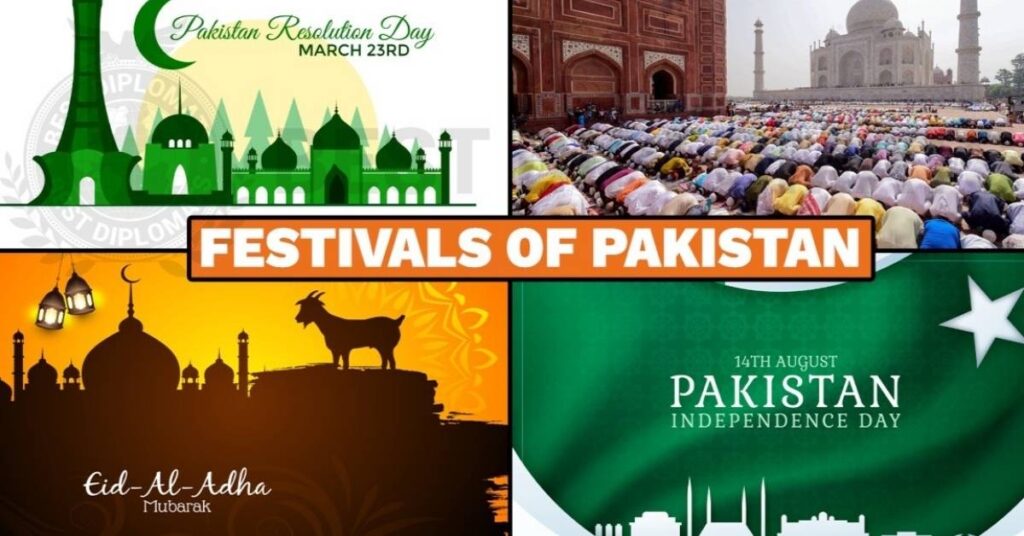
Pakistan is a land of vibrant traditions, deep-rooted history, and diverse cultures and nothing reflects this richness better than its festivals. From deeply spiritual religious observances to colorful cultural fairs, historic national days, and thrilling sports festivals, the country offers an extraordinary calendar of celebrations throughout the year. These events are not just moments of joy; they are living expressions of faith, heritage, unity, and identity.
This comprehensive guide explores the best festivals in Pakistan, bringing together religious, cultural, national, seasonal, and modern celebrations in one well-structured resource. Whether you are a local eager to reconnect with tradition or a traveler searching for the top festivals in Pakistan to experience authentic culture, this article is designed to meet your intent with depth, clarity, and value.
Each festival tells a story of devotion, resistance, art, music, history, or community spirit. From Eid celebrations that unite millions to regional festivals that preserve centuries-old customs, Pakistan’s festival landscape is as diverse as its geography. This guide will help you understand when, where, and why these festivals matter, while also offering practical insights for planning and participation.
As you read on, you’ll discover why Pakistan is increasingly recognized as a destination for cultural tourism and why its festivals continue to captivate people from around the world.
Why Festivals Are Central to Pakistan’s Cultural Identity
Festivals in Pakistan are far more than scheduled celebrations they are a reflection of the nation’s soul. Rooted in religion, history, regional traditions, and collective memory, festivals play a vital role in shaping Pakistan’s cultural identity. They bring together people from different ethnicities, languages, and backgrounds under shared values of faith, unity, and celebration.
At the heart of Pakistani society lies a strong sense of community, and festivals act as social glue. Religious occasions such as Eid-ul-Fitr and Eid-ul-Adha emphasize compassion, charity, and togetherness, reinforcing moral and spiritual values that define everyday life. Cultural and regional festivals, on the other hand, preserve centuries-old traditions, folk music, local cuisines, crafts, and indigenous sports ensuring that heritage is passed from one generation to the next.
Another reason festivals hold such importance is their ability to represent Pakistan’s diversity within unity. From the mountainous north to the fertile plains of Punjab and the coastal regions of Sindh, each area celebrates its identity through unique events. This diversity is precisely what makes many of these gatherings rank among the best festivals in Pakistan, attracting both domestic and international interest.
National festivals further strengthen cultural identity by commemorating historical milestones and honoring sacrifices made for the country. These days renew a collective sense of pride and patriotism, reminding citizens of shared struggles and achievements.
In today’s digital age, festivals also play a growing role in cultural tourism and global perception. Many of the top festivals in Pakistan are now gaining international attention, showcasing the country’s positive image, hospitality, and vibrant traditions to the world.
Together, these celebrations form a living cultural framework dynamic, inclusive, and deeply meaningful making festivals an inseparable part of Pakistan’s identity.
Major Religious Festivals Celebrated Across Pakistan
Religious festivals form the foundation of Pakistan’s festival calendar and are observed with deep devotion, discipline, and communal harmony. These occasions are not only acts of worship but also moments of social unity, generosity, and reflection. Across cities, towns, and villages, religious celebrations bring families together, strengthen bonds within communities, and reinforce shared Islamic values. Many of the best festivals in Pakistan are rooted in religious tradition, making them central to both cultural identity and everyday life.
Below are the most significant religious festivals celebrated throughout the country.
Eid-ul-Fitr – Celebrating the End of Ramadan
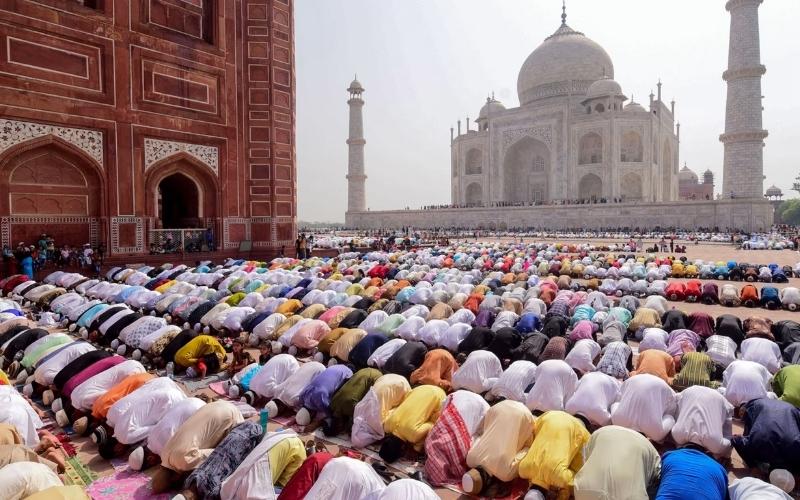
Eid-ul-Fitr marks the joyful conclusion of the holy month of Ramadan. It is one of the most widely celebrated and spiritually uplifting festivals in Pakistan. The day begins with special Eid prayers, followed by the giving of Zakat-ul-Fitr, ensuring that everyone in the community can participate in the celebrations.
Homes are cleaned and decorated, new clothes are worn, and traditional sweets like sheer khurma are prepared. Families visit relatives, exchange gifts, and share meals, reinforcing values of gratitude, charity, and unity. Due to its nationwide participation and emotional significance, Eid-ul-Fitr consistently ranks among the top festivals in Pakistan.
Eid-ul-Adha – Faith, Sacrifice, and Community Spirit
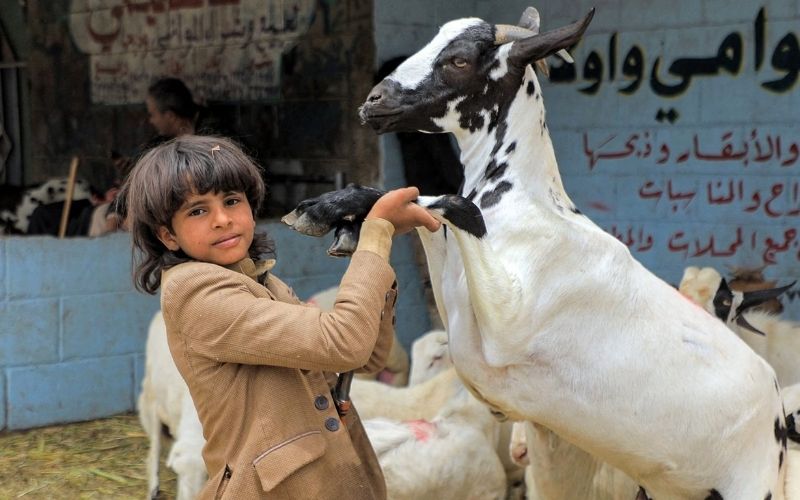
Eid-ul-Adha commemorates the devotion and obedience of Prophet Ibrahim (AS). It centers on the act of sacrifice (Qurbani), symbolizing selflessness, faith, and compassion. Meat from the sacrificed animal is distributed among family members, friends, and those in need, ensuring inclusivity and social responsibility.
Mosques host large congregational prayers, and communities come together in an atmosphere of reflection and generosity. This festival highlights the ethical and spiritual values that define many of the best festivals in Pakistan, emphasizing care for others and submission to faith.
Shab-e-Barat – The Night of Forgiveness and Reflection
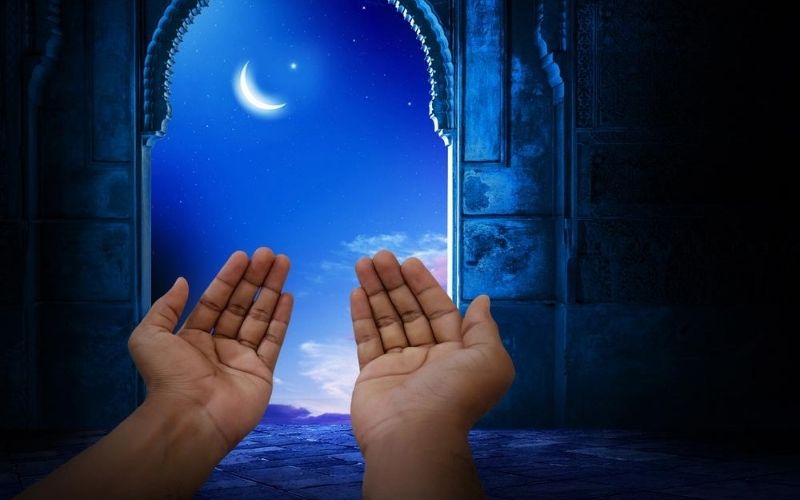
Shab-e-Barat is observed as a sacred night dedicated to prayer, repentance, and seeking forgiveness. Many believe it to be a night when destinies are written for the coming year. Mosques remain illuminated, and worshippers engage in voluntary prayers, recitation of the Quran, and supplication.
Families also visit graves to pray for departed loved ones, reinforcing remembrance and humility. Though quieter than Eid celebrations, Shab-e-Barat holds deep spiritual importance and remains a respected religious observance across Pakistan.
Ramadan Observances and Spiritual Traditions
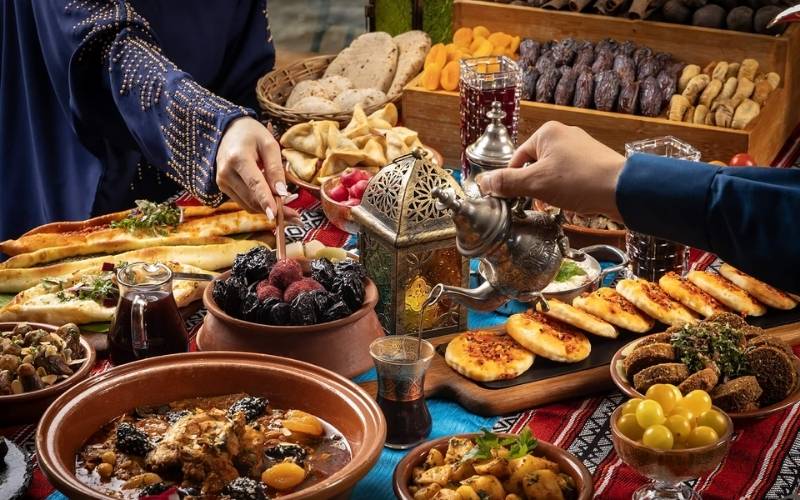
Ramadan itself is a month-long spiritual festival marked by fasting from dawn to dusk, increased worship, and acts of kindness. Streets come alive at iftar time, mosques host nightly Taraweeh prayers, and charitable initiatives expand across the country.
Beyond fasting, Ramadan encourages patience, self-discipline, and empathy for the less fortunate. Its spiritual atmosphere lays the foundation for Eid-ul-Fitr and plays a crucial role in defining Pakistan’s religious and cultural rhythm.
Eid Milad-un-Nabi – Honoring the Birth of the Prophet ﷺ
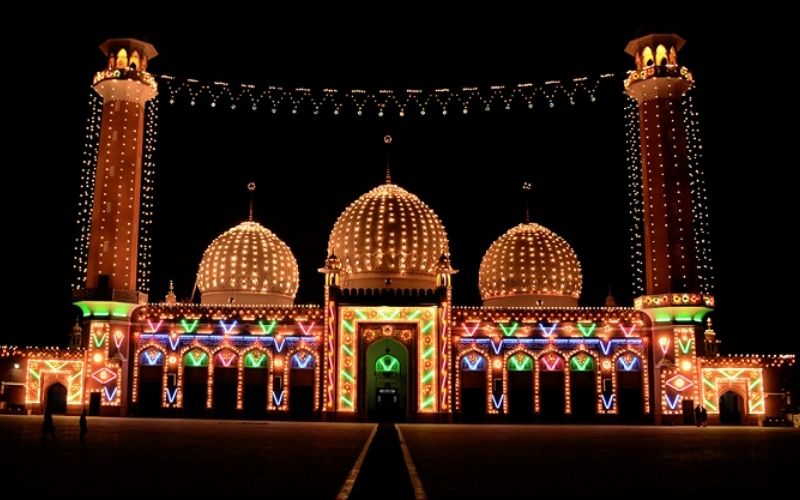
Eid Milad-un-Nabi celebrates the birth of Prophet Muhammad ﷺ and is observed with great reverence. Cities are adorned with lights, banners, and green flags, while mosques host special gatherings featuring naat recitations and religious speeches.
Processions, charitable acts, and educational events highlight the Prophet’s teachings of peace, compassion, and justice. This festival adds a unique spiritual and celebratory dimension to the list of top festivals in Pakistan.
Ashura, Chehlum & Youm-e-Ali – Important Days in Islamic History
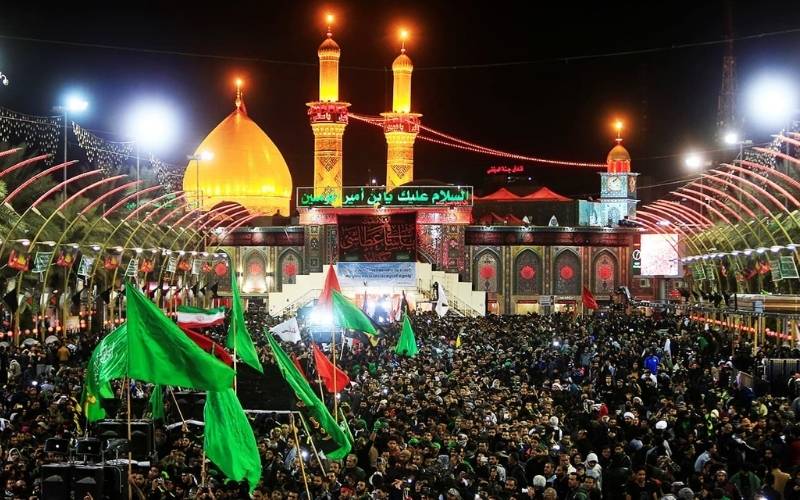
These observances commemorate pivotal events in Islamic history, particularly related to the sacrifices of Hazrat Imam Hussain (RA) and the legacy of Hazrat Ali (RA). Ashura and Chehlum are marked by processions, majalis, and remembrance ceremonies, while Youm-e-Ali honors leadership, justice, and wisdom.
Observed with solemn respect, these days emphasize sacrifice, moral courage, and historical awareness. Their inclusion adds depth and historical context to Pakistan’s religious festival landscape.
Urs and Sufi Festivals: Spiritual Gatherings at Sacred Shrines
Urs and Sufi festivals represent the mystical and spiritual heart of Pakistan’s religious culture. These gatherings commemorate the death anniversaries of revered Sufi saints and are celebrated as a union (Urs) with the Divine. Deeply rooted in love, devotion, and inclusivity, these festivals attract millions of devotees regardless of sect, language, or social background, making them among the best festivals in Pakistan for experiencing spiritual harmony.
Characterized by qawwali, prayers, poetry, and acts of charity, Urs festivals highlight the powerful influence of Sufism in shaping Pakistan’s cultural and religious landscape. Below are some of the most significant Urs and Sufi celebrations across the country.
Urs of Data Ganj Bakhsh (Data Darbar) – Lahore
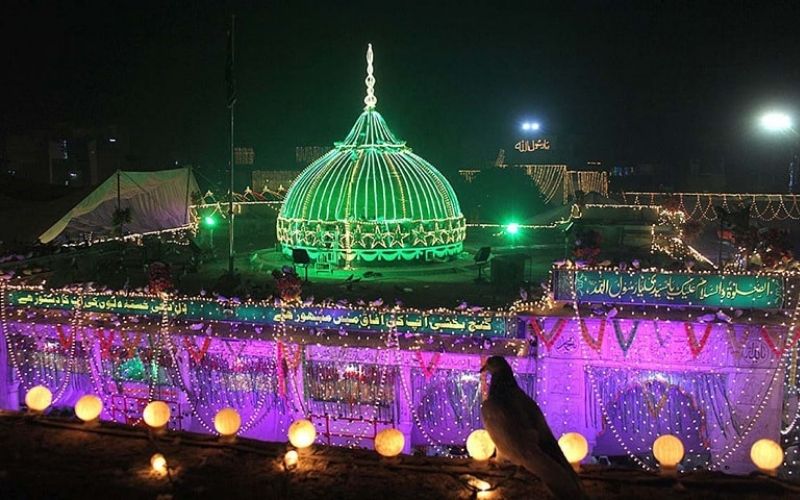
The Urs of Hazrat Ali Hajveri, commonly known as Data Ganj Bakhsh, is one of the largest Sufi gatherings in South Asia. Held annually at Data Darbar in Lahore, the festival draws devotees from all over Pakistan.
The shrine resonates with soulful qawwali, collective prayers, and spiritual discourse. Free food (langar) is distributed to thousands, reflecting Sufi values of generosity and equality. This Urs is not only a spiritual event but also a cultural phenomenon, ranking among the top festivals in Pakistan for both locals and visitors.
Lal Shahbaz Qalandar Urs – Sehwan Sharif
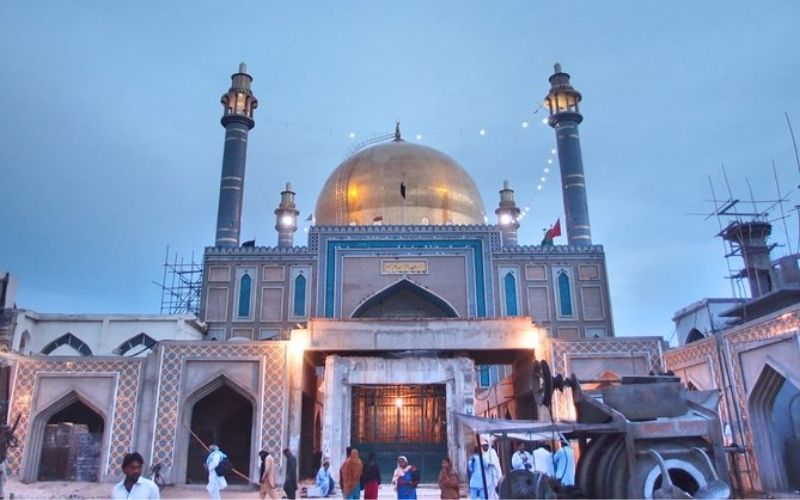
The Urs of Lal Shahbaz Qalandar is known for its vibrant and electrifying atmosphere. Celebrated in Sehwan Sharif, Sindh, this festival is famous for the ecstatic dhamaal dance performed to devotional music.
Devotees express their love through music, dance, and prayer, symbolizing spiritual freedom and devotion. The festival’s energy, inclusivity, and emotional depth make it one of the most iconic Sufi festivals in Pakistan.
Baba Bulleh Shah Urs – Kasur
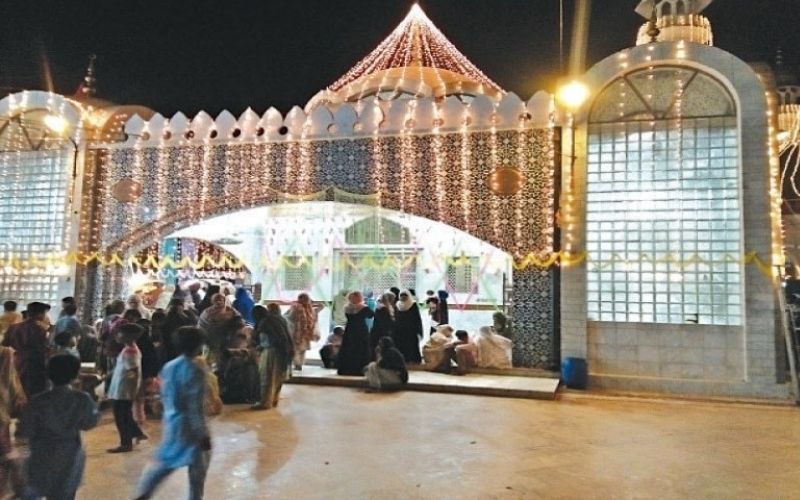
Baba Bulleh Shah’s Urs in Kasur honors one of the most influential Sufi poets of the region. Known for his poetry that challenged social norms and promoted love and humanity, Baba Bulleh Shah’s teachings continue to inspire generations.
The festival features poetry recitations, qawwali, and cultural performances that celebrate intellectual and spiritual expression. This Urs uniquely blends literature, philosophy, and devotion, adding intellectual richness to Pakistan’s festival culture.
Mela Chiraghan – The Festival of Lamps
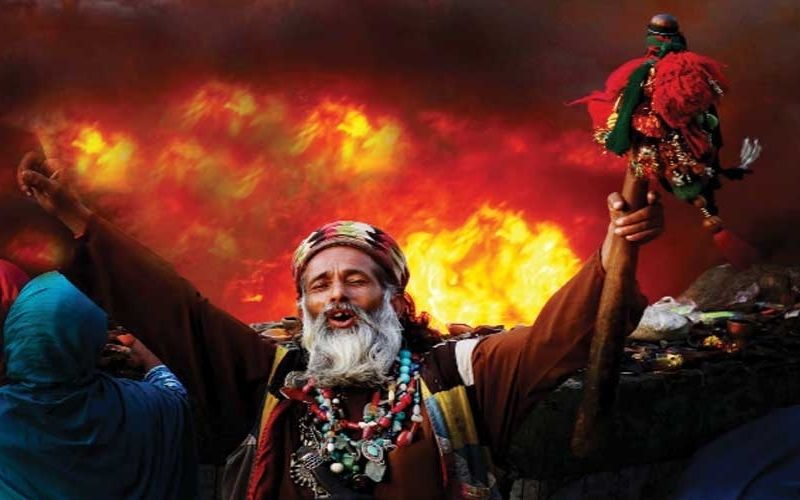
Mela Chiraghan, associated with the Urs of Shah Hussain, is a distinctive cultural-spiritual festival celebrated in Lahore. Unlike traditional Urs events, it combines Sufi devotion with folk traditions, music, and festivities.
Historically known for its illuminated lamps and vibrant atmosphere, Mela Chiraghan symbolizes enlightenment, love, and celebration of life. Its cultural crossover nature makes it a standout event among the best festivals in Pakistan.
Cultural Festivals Showcasing Pakistan’s Regional Diversity
Pakistan’s cultural festivals highlight the country’s extraordinary ethnic, linguistic, and regional diversity. Each province and region celebrates its heritage through music, dance, crafts, cuisine, and traditional rituals, offering a colorful glimpse into local identities. These festivals preserve indigenous traditions while promoting cultural pride, making them some of the best festivals in Pakistan for experiencing authentic regional life.
From ancient communities in the northern valleys to vibrant folk celebrations in Sindh and Punjab, cultural festivals play a vital role in keeping traditions alive and visible on a national and global stage.
Basant – The Festival of Kites and Spring
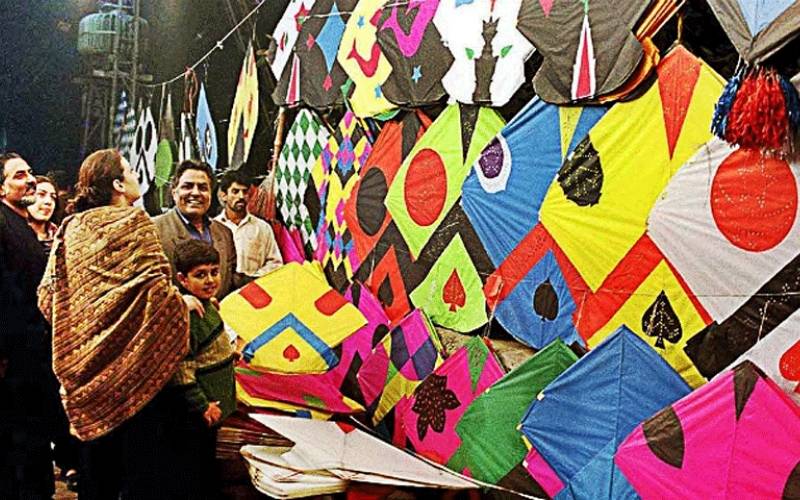
Basant marks the arrival of spring and is traditionally celebrated with kite flying, music, and festive food, particularly in Punjab. The sky fills with colorful kites while rooftops become gathering spaces for families and friends.
Beyond its visual appeal, Basant symbolizes renewal, joy, and the changing of seasons. Despite regulatory restrictions in recent years, its cultural significance remains deeply embedded in Pakistan’s heritage and memory.
Kalash Festivals – Ancient Traditions of the Kalash Valleys
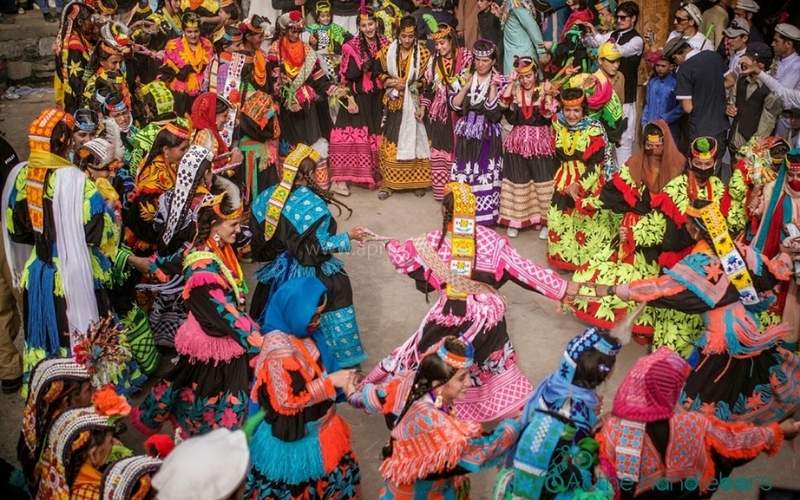
The Kalash community of Chitral celebrates multiple festivals throughout the year, including Chilam Joshi, Uchal, and Choimus. These events are rooted in ancient traditions and are marked by traditional dress, music, dance, and rituals.
Kalash festivals offer a rare opportunity to witness one of the world’s oldest living cultures. Their uniqueness and authenticity place them among the top festivals in Pakistan for cultural exploration.
Sindh Cultural Festival – Sufi Music, Dance & Heritage Arts
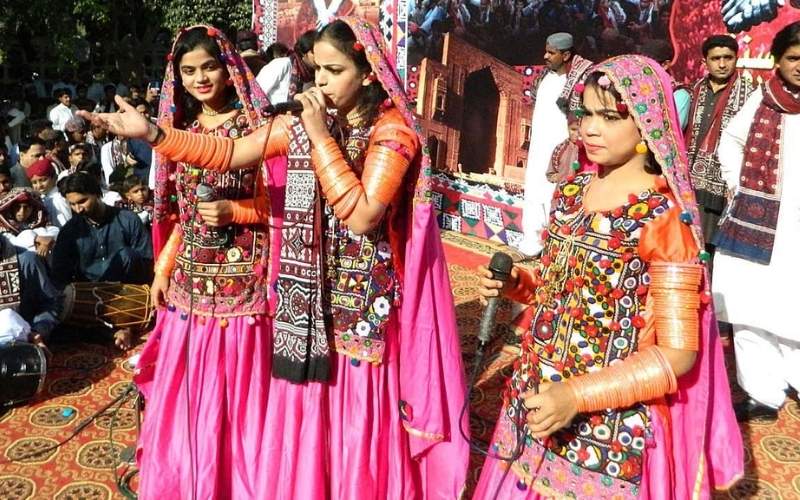
The Sindh Cultural Festival celebrates the province’s rich heritage through Ajrak, Sindhi topi, folk music, and Sufi poetry. Organized across multiple cities, the festival emphasizes unity, peace, and cultural pride.
Performances of traditional music and dance highlight Sindh’s historical connection to Sufism and artistic expression, making this festival a powerful representation of regional identity.
Lok Virsa Folk Festival – Pakistan’s Living Traditions
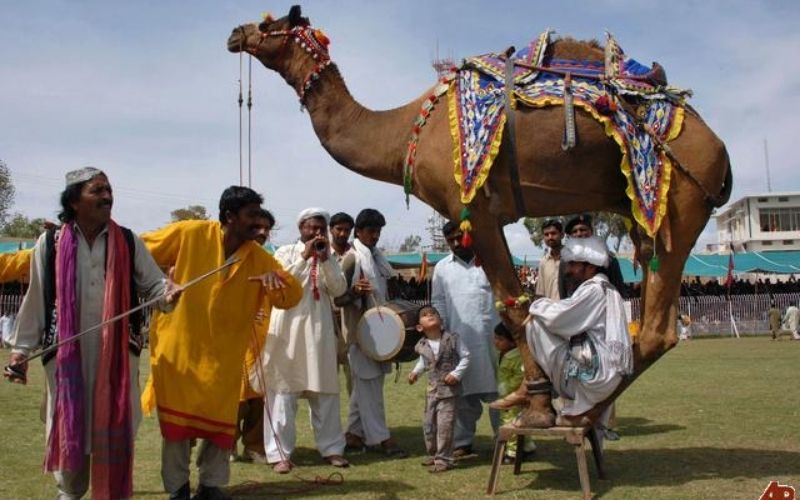
Held in Islamabad, the Lok Virsa Folk Festival brings together artists, craftsmen, musicians, and performers from all regions of Pakistan. Visitors experience traditional dances, regional cuisines, folk music, and handcrafted art under one roof.
This festival acts as a cultural archive in motion, preserving endangered traditions while educating younger generations. It is widely regarded as one of the best festivals in Pakistan for cultural learning.
Literary Festivals of Pakistan – Celebrating Art, Ideas & Dialogue
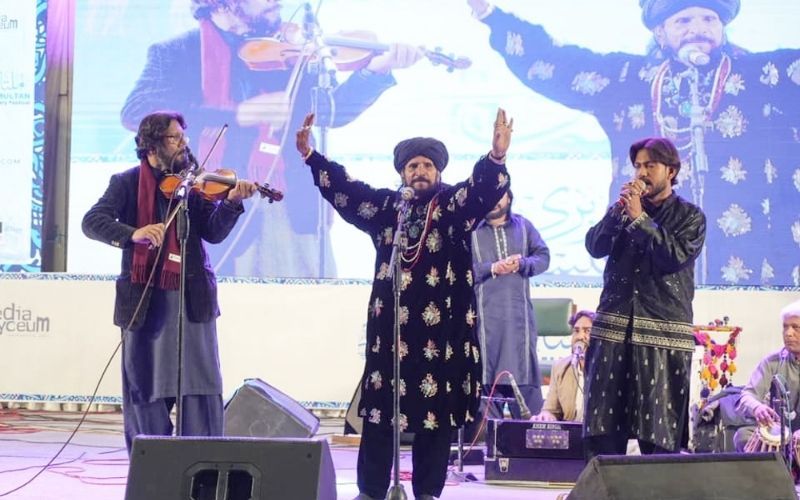
Literary festivals in cities such as Karachi, Lahore, and Islamabad celebrate literature, thought leadership, and intellectual exchange. These festivals feature authors, poets, journalists, and academics discussing literature, politics, history, and culture.
By promoting dialogue and creativity, literary festivals add an intellectual dimension to Pakistan’s cultural scene and broaden the definition of cultural celebration beyond music and dance.
Sports, Seasonal & Adventure Festivals in Pakistan
Sports, seasonal, and adventure festivals add excitement and diversity to Pakistan’s festival calendar. These events blend traditional sports, regional customs, and outdoor adventure, often set against breathtaking natural landscapes. Unlike religious or cultural festivals, these celebrations focus on physical skill, seasonal transitions, and community entertainment, making them some of the top festivals in Pakistan for thrill-seekers and culture enthusiasts alike.
Shandur Polo Festival – Polo at the World’s Highest Ground
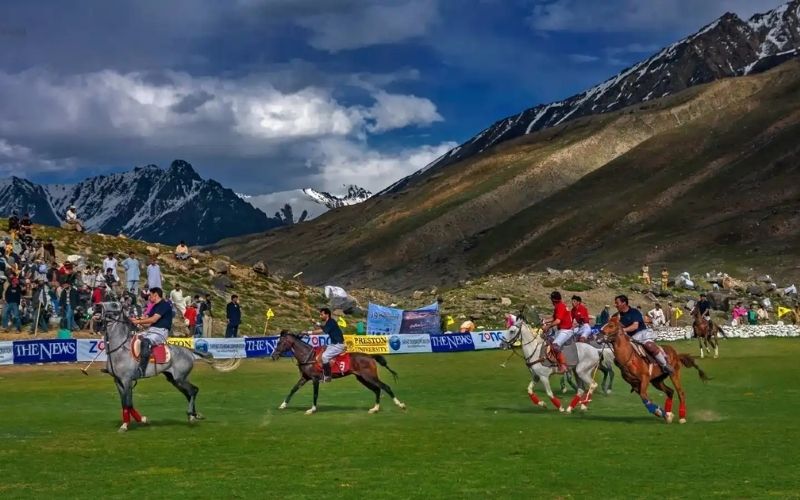
Held at Shandur Pass, over 3,700 meters above sea level, the Shandur Polo Festival is one of the most spectacular sporting events in the world. Teams from Chitral and Gilgit compete in a traditional, freestyle form of polo without modern rules.
Surrounded by towering mountains and alpine meadows, the festival combines sportsmanship, music, and cultural performances. Its unique location and heritage firmly place it among the best festivals in Pakistan for adventure tourism.
National Horse and Cattle Show – Punjab’s Grand Spectacle
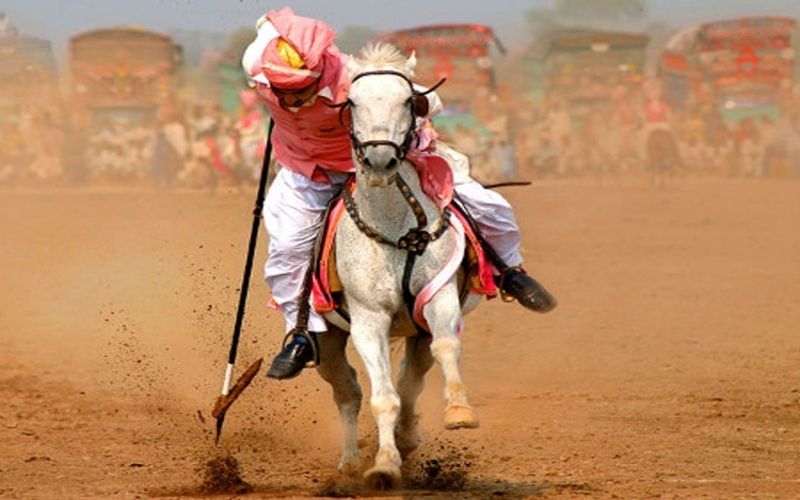
Organized annually in Lahore, the National Horse and Cattle Show showcases Pakistan’s agricultural strength and rural traditions. The festival features livestock competitions, horse dances, folk music, and cultural exhibitions.
It serves as both entertainment and education, highlighting Punjab’s farming heritage and traditional skills. This grand spectacle attracts visitors from across the country and abroad.
Broghil Festival – Music, Sports & Mountain Culture
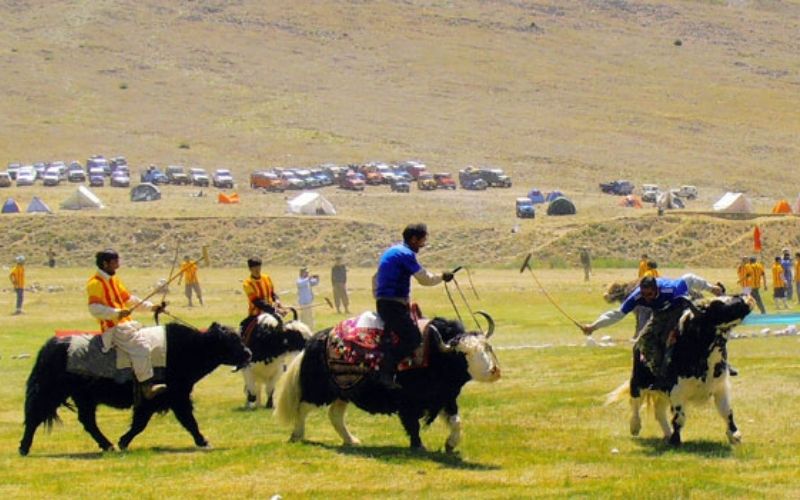
The Broghil Festival takes place in the remote Broghil Valley of Upper Chitral. It celebrates the unique culture of the Wakhi and other local communities through traditional sports, music, and crafts.
Activities such as yak polo, tug-of-war, and folk performances provide insight into mountain life. Due to its remote charm and cultural depth, Broghil Festival is gaining recognition among the top festivals in Pakistan.
Sibi Mela – One of South Asia’s Oldest Cultural Fairs
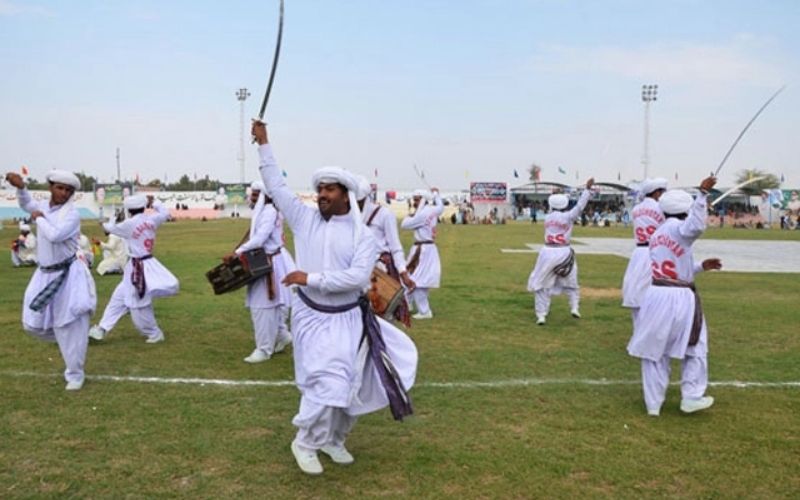
Sibi Mela, held in Balochistan, is one of the oldest festivals in the region, dating back over a century. Originally a livestock fair, it has evolved into a major cultural event featuring tribal music, handicrafts, and exhibitions.
The festival reflects Balochistan’s heritage and tribal traditions, offering visitors a rare cultural experience outside mainstream tourist routes.
National Festivals That Define Pakistan’s History & Pride
National festivals in Pakistan commemorate defining moments in the country’s history and honor the sacrifices that shaped its identity. These occasions foster unity, patriotism, and collective remembrance, bringing citizens together across provinces and generations. Observed with official ceremonies, public events, and nationwide participation, these days are among the best festivals in Pakistan for understanding the nation’s values, struggles, and aspirations.
Pakistan Independence Day (14 August)
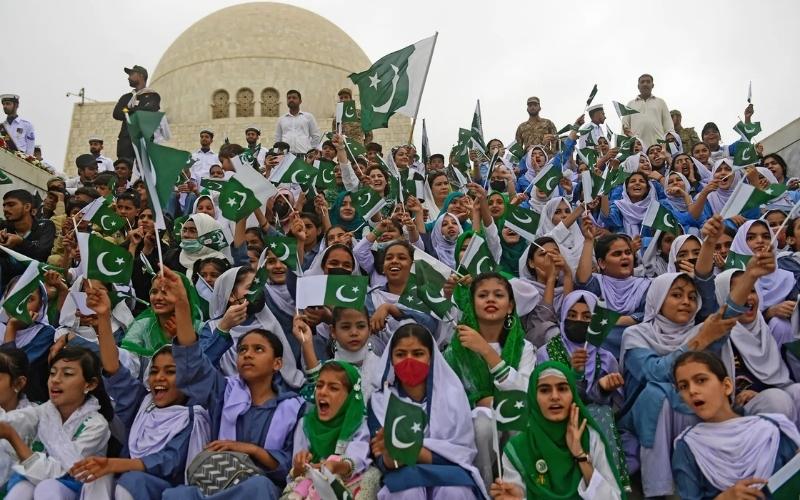
Pakistan Independence Day marks the birth of the nation in 1947 and is celebrated with immense enthusiasm across the country. Cities are decorated with flags, lights, and banners, while official ceremonies take place in Islamabad and provincial capitals.
Fireworks, patriotic songs, cultural shows, and public gatherings create a festive atmosphere. This day reinforces national unity and pride, making it one of the top festivals in Pakistan in terms of nationwide participation and emotional significance.
Pakistan Day (23 March) – The Birth of a Nation’s Vision
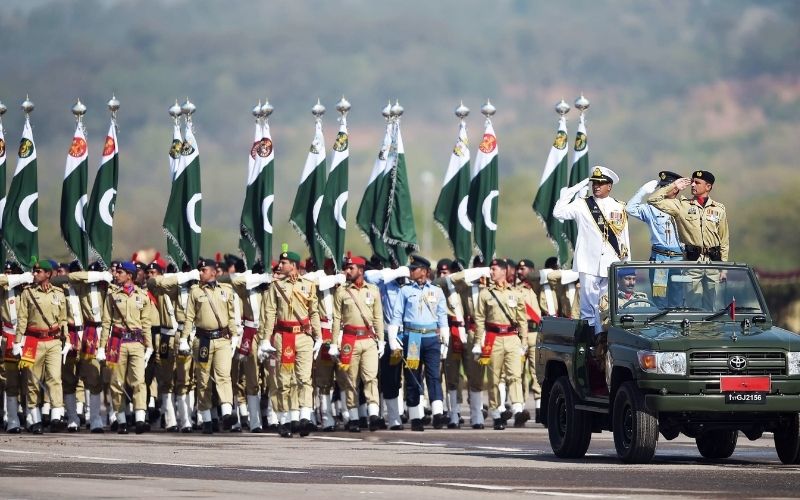
Pakistan Day commemorates the Lahore Resolution of 1940, which laid the foundation for the creation of Pakistan. The day is marked by a grand military parade, award ceremonies, and educational programs highlighting the country’s constitutional and political journey.
It serves as a reminder of the vision, leadership, and determination that led to independence, strengthening citizens’ connection to national history.
Defence Day (6 September) – Honoring National Heroes
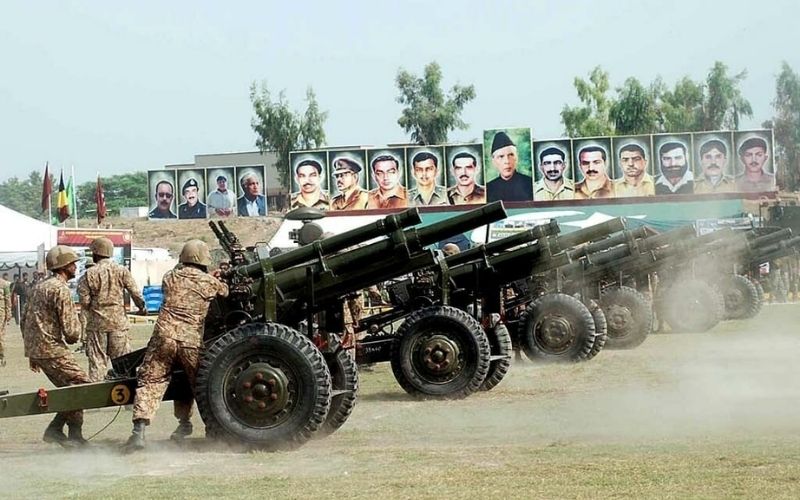
Defence Day pays tribute to the armed forces and civilians who defended Pakistan during the 1965 war. Observed with solemn respect, the day includes wreath-laying ceremonies, prayers, documentaries, and tributes to martyrs.
Rather than a festive celebration, Defence Day is a moment of reflection and gratitude. Its significance lies in honoring sacrifice, resilience, and national security core elements of Pakistan’s collective identity.
Seasonal & Ancient Celebrations with Historical Roots
Alongside widely observed religious and national events, Pakistan is also home to seasonal and ancient celebrations that trace their origins back centuries. These festivals reflect historical influences, agricultural cycles, and cultural exchanges that shaped the region long before modern borders existed. Though fewer in number, they add depth and historical continuity to the list of the best festivals in Pakistan.
Nowruz – The Persian New Year in Pakistan
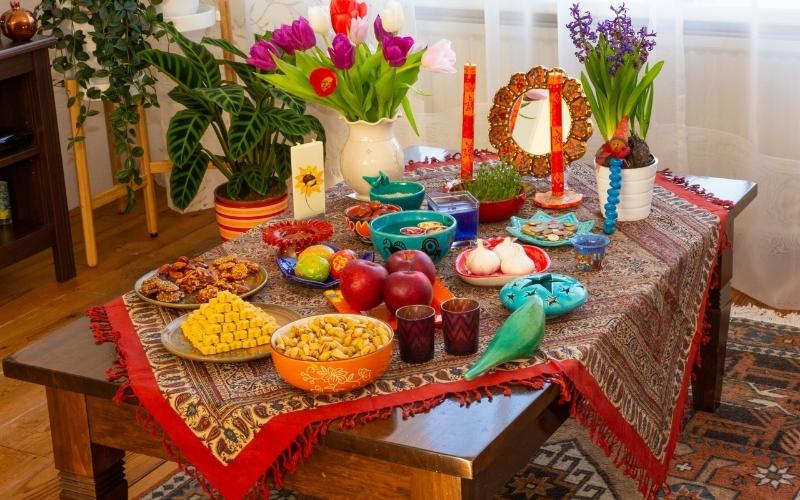
Nowruz marks the Persian New Year and the arrival of spring, traditionally celebrated on 21 March. In Pakistan, it is observed mainly by communities in Gilgit-Baltistan, Chitral, and parts of Balochistan. The festival symbolizes renewal, harmony, and the rebirth of nature.
Celebrations include special meals, music, family gatherings, and cultural performances. Nowruz reflects the ancient Persian influence on the region and highlights Pakistan’s historical connections with Central Asia and Iran. Its continued observance demonstrates how ancient traditions still thrive within Pakistan’s diverse cultural fabric.
International & Modern Mega Events in Pakistan
In recent years, Pakistan has increasingly hosted international and modern mega events that combine sports, entertainment, and global participation. These festivals not only promote tourism but also showcase the country’s hospitality, organizational capability, and vibrant cultural scene to the world. Including such events in your itinerary can provide a unique perspective on contemporary Pakistan alongside traditional celebrations.
ICC Champions Trophy 2025 – Pakistan on the Global Stage
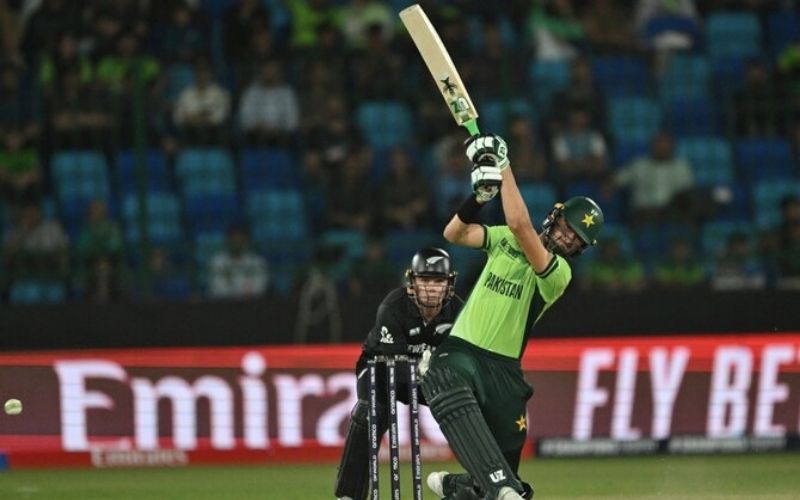
The ICC Champions Trophy 2025, hosted in Pakistan, is a premier international cricket tournament featuring top teams from around the world. Cricket, being the most popular sport in the country, makes this event a major cultural phenomenon that unites fans from all walks of life.
Beyond matches, the event includes fan zones, cultural exhibitions, and media coverage that highlight Pakistan’s infrastructure and enthusiasm for global sports. This festival represents a modern dimension of celebration in Pakistan, blending sports, entertainment, and national pride, and firmly qualifies as one of the top festivals in Pakistan for both locals and international visitors.
Best Time to Experience Festivals in Pakistan
Pakistan’s diverse climate and geography mean that festivals occur throughout the year, each season offering unique experiences. Planning your visit around these peak times ensures maximum enjoyment, cultural immersion, and convenience. Understanding the seasonal rhythm is essential for travelers and festival enthusiasts seeking the best festivals in Pakistan.
Spring Festivals (March–May)
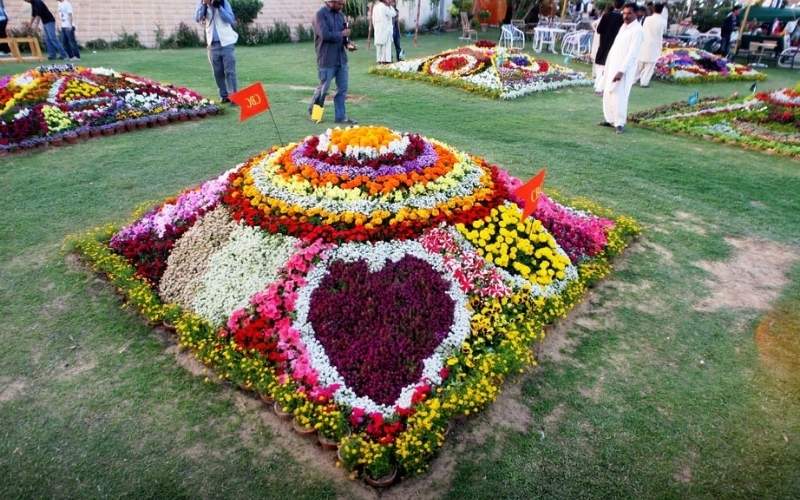
Spring in Pakistan is celebrated with vibrant colors, blooming landscapes, and lively outdoor festivals. Notable spring events include:
- Basant – Kite flying and community gatherings in Punjab.
- Nowruz – Celebrated in northern regions, marking the Persian New Year.
- Local Flower Festivals – In regions like Murree and northern valleys.
Spring is ideal for festivals that emphasize renewal, nature, and outdoor cultural activities.
Summer Festivals (June–August)
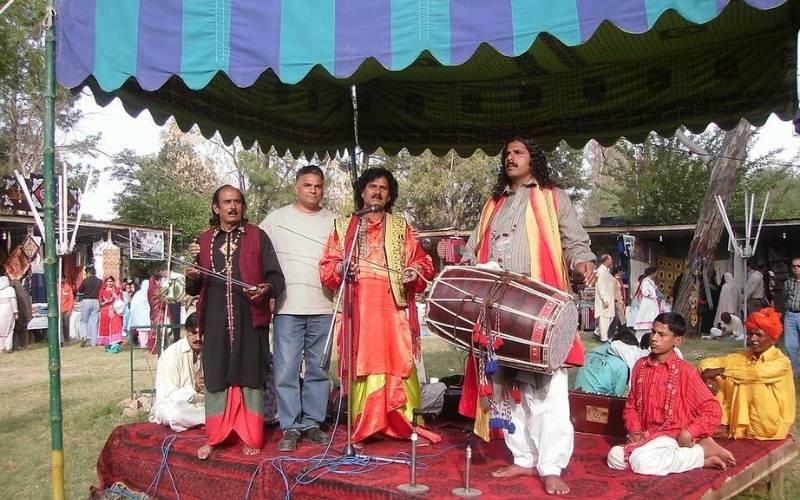
Summer brings cooler mountain air to the northern regions, making it perfect for adventure and sports festivals:
- Shandur Polo Festival – Polo matches amidst breathtaking landscapes.
- Broghil Festival – Mountain sports and traditional cultural events.
- Kalash Summer Festivals – Ancient tribal celebrations in Chitral.
These festivals combine natural beauty with cultural heritage, attracting tourists and adventure seekers alike.
Autumn Festivals (September–November)
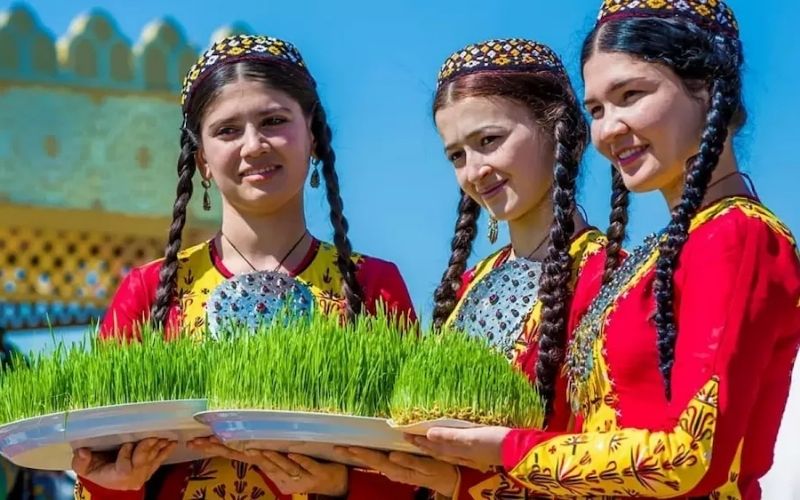
Autumn features harvest-related and national celebrations:
- Sibi Mela – Livestock fairs and cultural showcases in Balochistan.
- National Day & Pakistan Day Preparations – National pride, displays, and local events
The mild weather and seasonal colors enhance outdoor experiences, making autumn a culturally rich period for festival-goers.
Winter Festivals (December–February)
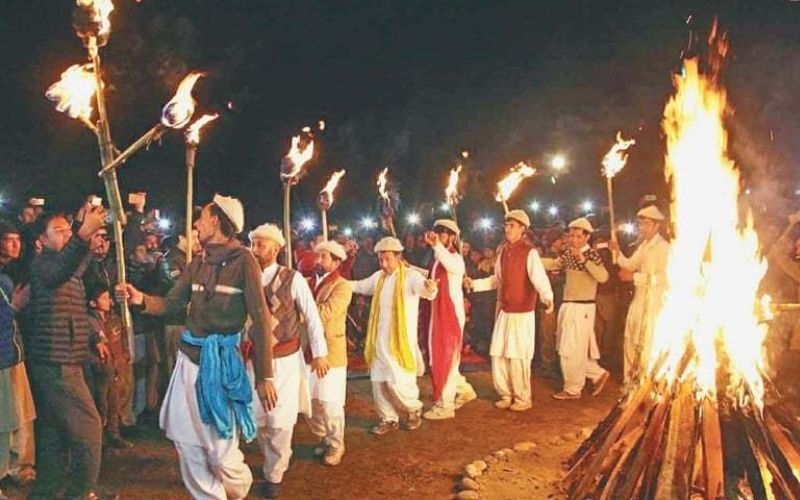
Winter festivals are less frequent but offer cozy, intimate experiences:
- Religious Observances – Community prayers and charitable events.
- Mountain and Winter Tourism Festivals – Local fairs in northern valleys.
Winter provides a quieter, reflective festival experience with a focus on tradition and heritage.
Tips for Travelers Attending Festivals in Pakistan
Attending festivals in Pakistan can be an unforgettable experience if approached with proper planning and cultural awareness. From understanding local customs to managing logistics, these tips help travelers enjoy the best festivals in Pakistan safely and meaningfully.
1. Plan Ahead and Check Dates
- Many festivals follow the Islamic lunar calendar, so dates change annually.
- National and seasonal events have fixed dates, but it’s essential to verify schedules online.
- Book accommodations early, especially for popular events like Shandur Polo Festival or Basant.
2. Respect Local Customs and Traditions
- Dress modestly, especially during religious festivals such as Eid or Urs.
- Follow local etiquette in mosques, shrines, and public spaces.
- Participate respectfully in rituals or ceremonies photography may be restricted in some sacred areas.
3. Stay Safe and Healthy
- Carry water, snacks, and sun protection for outdoor festivals.
- For high-altitude or mountain events, acclimatize properly and follow safety guidelines.
- Be aware of local emergency contacts and festival security arrangements.
4. Embrace Cultural Experiences
- Try traditional foods, participate in folk music and dance, and engage with locals.
- Purchase handicrafts from local vendors to support artisans.
- Attend workshops or performances to gain a deeper understanding of regional traditions.
5. Travel Smart
- Use reliable transport options; some festivals are held in remote areas.
- Combine festival visits with sightseeing for a richer travel experience.
- Consider guided tours for festivals like Broghil or Kalash to navigate remote terrain safely.
Conclusion: Pakistan’s Festivals as a Living Cultural Tapestry
Pakistan’s festivals offer a vivid window into the nation’s soul, blending religious devotion, cultural heritage, national pride, and modern entertainment. From the spiritual serenity of Urs and Eid celebrations to the thrill of sports festivals and the color of regional fairs, each event contributes to a dynamic cultural landscape.
These celebrations are more than just moments of joy they preserve traditions, strengthen communities, and showcase the diversity that defines Pakistan. By participating in these festivals, both locals and travelers can experience the heart of Pakistan, connecting with its people, history, and artistry.
Whether you are seeking spiritual enrichment, cultural immersion, adventure, or national pride, Pakistan’s festivals provide experiences that resonate deeply, leaving lasting memories. Understanding and celebrating these events highlights why Pakistan’s festival scene is recognized as one of the best in Pakistan, attracting enthusiasts from across the globe.
In essence, Pakistan’s festivals are a living tapestry woven with devotion, tradition, creativity, and joy inviting everyone to partake in its rhythm and spirit.
FAQs
Here are some commonly asked questions about the best festivals in Pakistan to help travelers and readers quickly find essential information.
1. What are the most popular festivals in Pakistan?
The most popular festivals include Eid-ul-Fitr, Eid-ul-Adha, Shandur Polo Festival, Basant, Nowruz, Data Darbar Urs, and national celebrations like Pakistan Day and Independence Day. These events are widely recognized for their cultural, religious, and national significance.
2. When is the best time to attend festivals in Pakistan?
- Spring (March–May): Basant, Nowruz, flower festivals
- Summer (June–August): Shandur Polo, Broghil, Kalash festivals
- Autumn (September–November): Sibi Mela, national celebrations
- Winter (December–February): Local winter fairs and religious observances
Timing depends on the type of festival and region you want to explore.
3. Are there any religious customs travelers should know?
Yes. During religious festivals like Eid, Shab-e-Barat, or Urs, visitors should dress modestly, respect local rituals, and follow mosque or shrine rules. Photography may be restricted in sacred spaces.
4. Which festivals are best for experiencing Pakistani culture?
Cultural festivals such as Basant, Kalash Festivals, Sindh Cultural Festival, and Lok Virsa Folk Festival showcase regional music, dance, crafts, and traditional cuisine. Literary festivals also offer insight into the country’s intellectual and artistic life.
5. Are international tourists welcome at these festivals?
Absolutely. Pakistan’s festivals are increasingly tourist-friendly. Major events like Shandur Polo and National Horse and Cattle Show have facilities for visitors, while local festivals provide immersive experiences. It’s recommended to plan ahead and hire guides for remote areas like Broghil or Kalash Valleys.
6. How can travelers safely enjoy festivals in Pakistan?
- Plan and book accommodations early
- Respect local customs and dress codes
- Stay hydrated and carry essential supplies
- Follow security and health guidelines
- Engage with locals respectfully
These steps ensure a safe, enjoyable, and memorable festival experience.