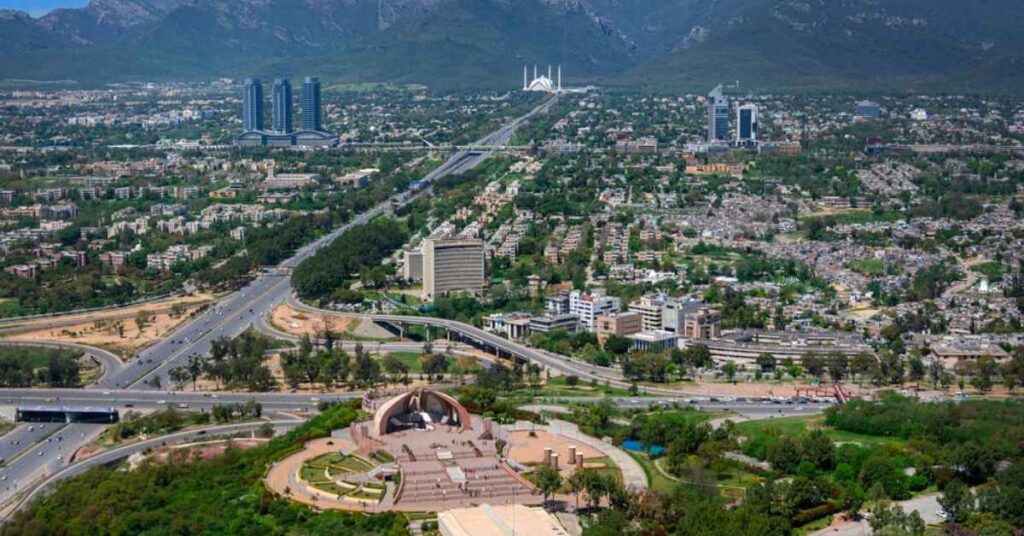
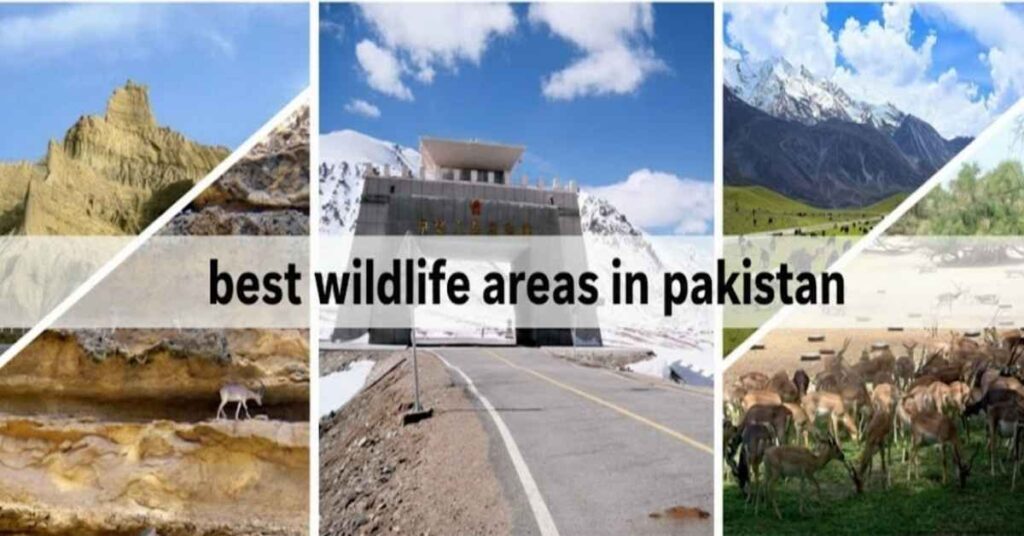
From the ice-clad summit of K2 piercing the sky at 8,611 meters to the sun-scorched mangrove forests swaying in the Arabian Sea, Pakistan is a land of staggering contrasts. This geographic diversity, compressed into 881,913 square kilometers, creates one of Asia’s most underrated biodiversity hotspots, where snow leopards prowl alpine meadows while Indus dolphins navigate muddy rivers below.
Yet beyond the postcard-perfect valleys of Hunza and the ancient forts of Lahore lies a conservation story that few travelers know. Pakistan protects over 348 designated areas spanning approximately 12.4% of its total landmass a network of national parks, wildlife sanctuaries, and game reserves that safeguard everything from Himalayan brown bears to Arabian sea turtles.
Quick Facts: Pakistan’s Protected Areas
Total Protected Area: ~10.9 million hectares (12.4% of total land)
National Parks: 30+
Wildlife Sanctuaries: 99+
Game Reserves: 219+
UNESCO Biosphere Reserves: 2 (Lal Suhanra, Ziarat Juniper Forest)
Understanding Pakistan’s Protected Area Classification
Not all protected areas are created equal, and understanding the distinctions matters for anyone seeking the best wildlife areas in Pakistan for eco-tourism.
National Parks represent the crown jewels of conservation large landscapes with minimal human interference, managed primarily for ecosystem protection and sustainable tourism. Think Deosai National Park’s vast alpine plateau or Hingol’s dramatic desert canyonlands.
Wildlife Sanctuaries focus specifically on protecting threatened species and their critical habitats. Human activities are more restricted here than in game reserves. Kirthar Wildlife Sanctuary, home to Sindh ibex and urial sheep, exemplifies this category.
Game Reserves allow controlled hunting and resource extraction while maintaining wildlife populations. These areas balance conservation with community needs, though their ecological protection standards vary considerably.
This tiered system reflects Pakistan’s attempt to balance biodiversity conservation with the economic realities of a developing nation where 40% of the population depends directly on natural resources.
Pakistan’s Five Ecological Zones: A Continental Diversity
Pakistan’s extraordinary biodiversity stems from its position at the crossroads of five distinct ecological zones, each harboring unique flora and fauna.
The Northern Alpine Zone dominates the Himalayas, Karakoram, and Hindu Kush ranges. Above 3,000 meters, coniferous forests give way to alpine meadows where Marco Polo sheep and Himalayan ibex navigate impossible slopes.
Northern Alpine Parks: Pakistan’s High-Altitude Wilderness
The northern mountains aren’t just scenery they’re survival theaters where apex predators and mega-herbivores have adapted to one of Earth’s harshest environments. These parks protect critical corridors for species found nowhere else on the planet.
Deosai National Park: The Land of Giants Above the Clouds
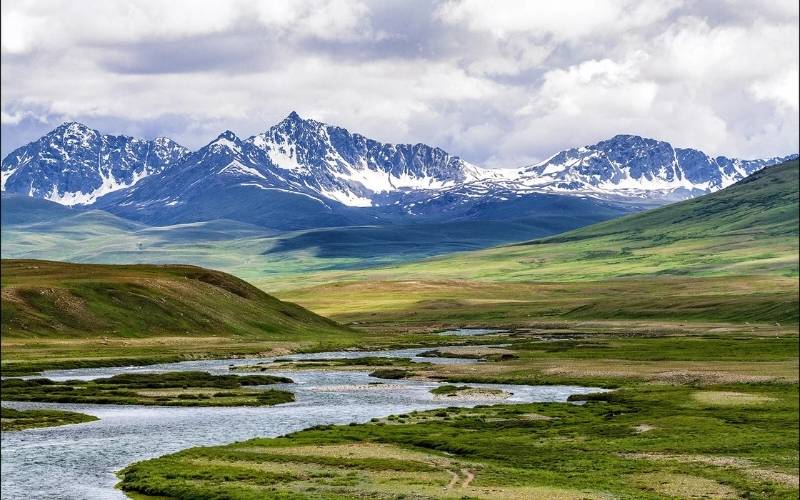
Geography & Altitude: Sprawling across 3,000 square kilometers at an average elevation of 4,114 meters, Deosai is the world’s second-highest plateau. From June to September, this treeless expanse transforms into a wildflower carpet intersected by crystal streams a high-altitude Serengeti between Skardu and Astore.
The Wildlife Stars:
- Himalayan Brown Bear – Deosai hosts South Asia’s largest population (estimated 40-50 individuals). These golden-furred giants emerge from hibernation in April, gorging on marmots, roots, and the plateau’s abundant insects before winter returns.
- Golden Marmots – The bears’ primary prey, these rotund rodents create “towns” of interconnected burrows across the grasslands.
- Himalayan Ibex – Agile mountaineers that descend from surrounding peaks to graze the plateau’s edges during summer.
- Lammergeier (Bearded Vulture) – Bone-dropping raptors with 3-meter wingspans patrol the skies, their rust-colored plumage unmistakable against blue heavens.
Trekking & Activities: The Bara Pani jeep track offers accessible wildlife viewing without technical climbing. Photographers stake out Sheosar Lake (Pakistan’s highest lake at 4,142m) for sunrise reflections. Multi-day trekking routes connect Deosai to the Astore Valley, passing nomadic Gujjar settlements.
Insider Pro-Tip: Visit late August when bear activity peaks before hibernation. Camp at the Bara Pani ranger station; rangers often have up-to-date information on recent bear activity. Bring serious cold-weather gear; temperatures plummet to -10°C even in summer nights.
Khunjerab National Park: Where Three Nations and Ecosystems Collide
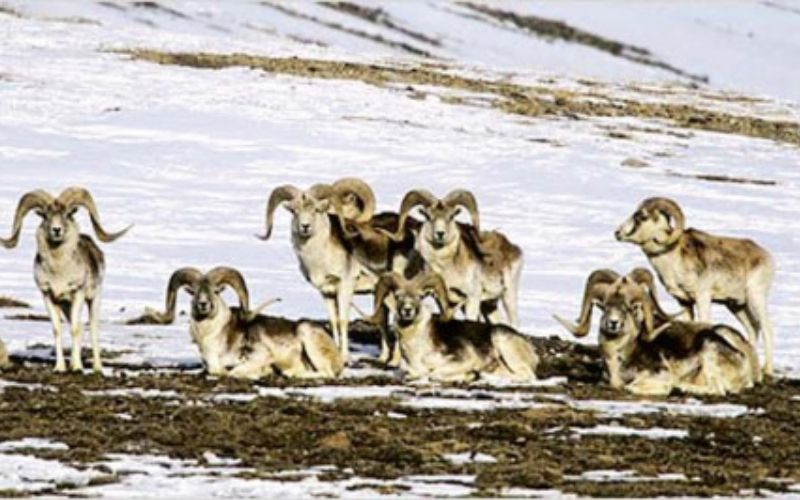
Geography & Altitude: Straddling the Pakistan-China border at the terminus of the Karakoram Highway, Khunjerab extends across 4,452 square kilometers between 4,000-7,469 meters. It’s Pakistan’s only protected area directly connected to China’s Taxkorgan Nature Reserve, creating a transboundary wildlife corridor.
The Wildlife Stars:
- Marco Polo Sheep (Ovis ammon polii) – The world’s largest sheep species, with rams carrying spiral horns exceeding 1.5 meters. Khunjerab protects Pakistan’s most viable population (300-400 individuals) in alpine grasslands above 4,500m.
- Snow Leopard – Elusive ghosts of the mountains, estimated at 15-20 individuals within park boundaries. They follow ibex and blue sheep migrations across vertical terrain.
- Tibetan Wild Ass (Kiang) – Recently recolonized from China, small herds now graze Khunjerab’s high plateaus.
- Brown-headed Gulls & Bar-headed Geese – Improbable high-altitude migrants that stopover at Khunjerab’s seasonal wetlands.
Trekking & Activities: The Karakoram Highway runs through the park, making it Pakistan’s most accessible alpine wilderness. Stop at Khunjerab Pass (4,693m, the world’s highest paved border crossing) for panoramic views. Summer wildlife drives between Sost and the pass often yield Marco Polo sheep sightings.
Insider Pro-Tip: Golden hour (6-8 AM) offers best wildlife visibility when sheep descend to graze. Coordinate with Sost-based guides who monitor animal movements via WhatsApp groups with Chinese park rangers.
Central Karakoram National Park: The Glacier Kingdom
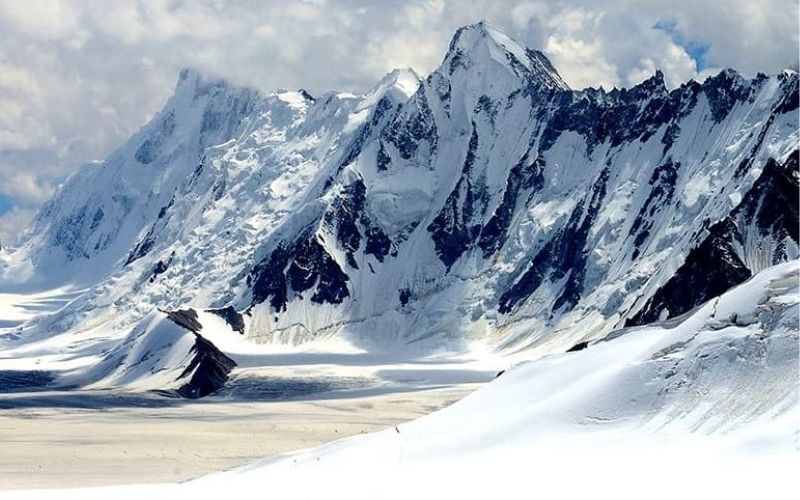
Geography & Altitude: At 10,557 square kilometers, this is Pakistan’s largest protected area, encompassing four of the world’s fourteen 8,000-meter peaks including K2 (8,611m). The park protects 70+ glaciers, including Baltoro and Biafo rivers of ice that feed the Indus watershed supporting 300 million people downstream.
Forest and Foothill National Parks: Where Biodiversity Meets Urbanization
Pakistan’s mid-elevation forests spanning the Himalayan foothills from 1,000 to 3,500 meters represent the country’s most accessible yet threatened ecosystems. These parks serve dual roles: protecting endangered species in Pakistan national parks while offering urban populations their closest wilderness encounters.
Margalla Hills National Park: Islamabad’s Wild Backyard
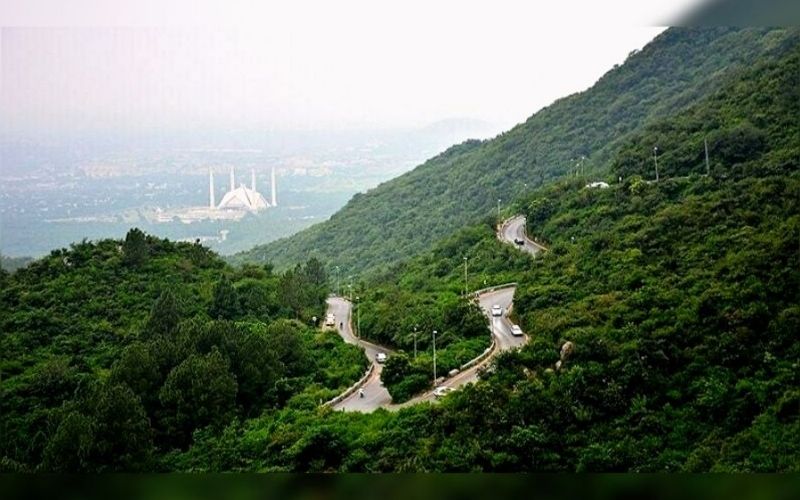
Geography: Encircling Pakistan’s capital across 17,386 hectares, Margalla forms a 50-kilometer ridge of limestone and sandstone cliffs. Oak and pine forests cloak north-facing slopes, while scrub vegetation dominates sun-baked southern exposures.
The Common Leopard Controversy
Margalla hosts Pakistan’s most studied leopard population estimated at 20-30 individuals living literally alongside 2 million urban residents. Trail cameras document these apex predators on hiking paths after sunset, feeding primarily on barking deer and wild boar. Fatal attacks remain extremely rare, but encounters spike during summer when leopards follow prey to water sources.
Night hiking is officially prohibited, though enforcement varies. Daytime sightings occur annually, particularly along Trail 3 and Trail 5 above Pir Sohawa.
Bird Watching Hotspots
Margalla ranks among Asia’s premier bird watching spots in Pakistan with 400+ recorded species:
- Viewpoint Trail (Trail 3): Egyptian vultures, Laggar falcons, and peregrine falcons ride thermals above cliffs
- Shakarparian Forest: Paradise flycatchers, Kashmir flycatchers (May-August migrants)
- Rawal Lake perimeter: Winter waterfowl including ferruginous ducks and common cranes
Dawn expeditions (5-8 AM) yield maximum species diversity. Resident ornithologists lead weekend walks organized through Islamabad Wildlife Management Board.
Ayubia National Park: The Galliyat’s Green Heart
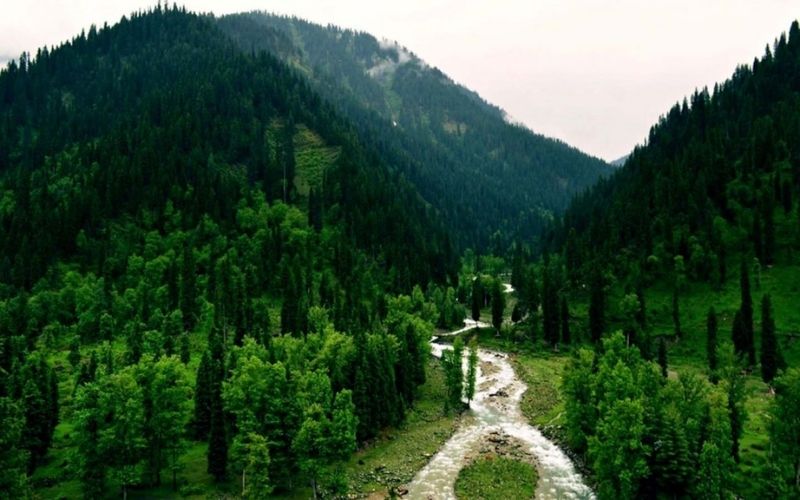
Geography: Spreading across 3,312 hectares between Murree and Abbottabad, Ayubia protects Western Himalayan moist temperate forests cathedral-like stands of Himalayan cedar (deodar), blue pine, and oak trees some exceeding 40 meters tall.
Leopard-Human Coexistence Challenge
Ayubia’s common leopards (25-35 individuals) create unique conservation dilemmas. Unlike Margalla’s shy cats, Ayubia leopards regularly raid livestock in adjacent villages, triggering retaliatory killings. Camera trap networks and compensation programs have reduced conflicts, but leopard mortality from vehicle strikes along Murree Road remains problematic.
The Pipeline Track a flat 4-kilometer forest trail connecting Ayubia to Khanspur offers exceptional wildlife photography locations for documked leaf monkeys and Himalayan tahrs without technical trekking.
The Musk Deer Mystery
Himalayan musk deer, hunted nearly to extinction for their scent glands (worth more than gold by weight), persist in Ayubia’s remotest sectors. Recent camera trap evidence confirms breeding populations, though sightings remain exceptionally rare.
Machiara National Park: Markhor’s Kashmir Stronghold
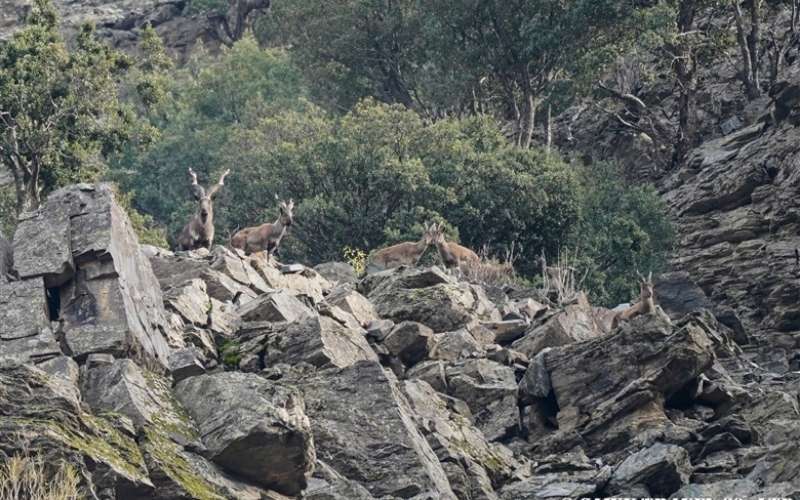
Geography: Straddling the Line of Control in Azad Kashmir, Machiara’s 13,532 hectares rise from subtropical pine forests (1,500m) to alpine scrubland (4,500m).
Markhor Conservation Success
Pakistan’s national animal, the flare-horned markhor (Capra falconeri), finds sanctuary here. Once decimated to fewer than 200 individuals nationwide in the 1980s, community-based trophy hunting programs channeled revenue to villagers transforming poachers into protectors.
Machiara now hosts 500+ markhor. Males sport magnificent corkscrew horns exceeding 1.5 meters. Prime viewing occurs October-November during rut season when dominant males battle for mates on exposed ridgelines near Guthri village.
Chitral Gol National Park: Where Markhor Meets Snow Leopard
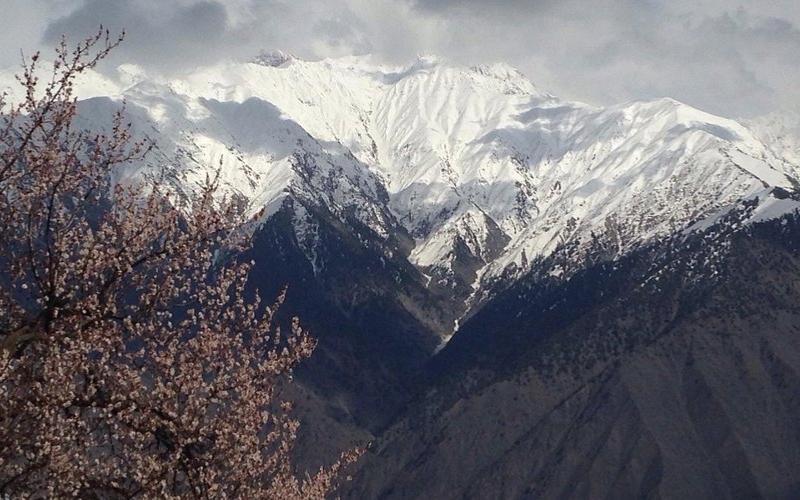
Geography: Chitral’s 7,750-hectare sanctuary protects Hindu Kush southern slopes where three ecosystems converge: alpine meadows, temperate forests, and semi-arid juniper woodlands.
Dual Flagship Species
Chitral Gol hosts Pakistan’s densest markhor population (3,000+ animals) coexisting with 10-15 snow leopards a rare predator-prey dynamic. The park demonstrates that endangered species in Pakistan national parks can recover when local communities receive tangible conservation benefits.
Trophy hunting permits (issued for elderly males only) generate $80,000+ annually, with 80% flowing to Chitral communities.
Desert, Riverine, and Marine Parks: Pakistan’s Forgotten Wilderness
Beyond the mountain mystique lies Pakistan’s most underexplored ecological frontier where desert dunes meet mangrove labyrinths, and river dolphins navigate ancient trade routes. These parks protect ecosystems virtually absent from mainstream travel narratives.
Hingol National Park: Balochistan’s Alien Landscape
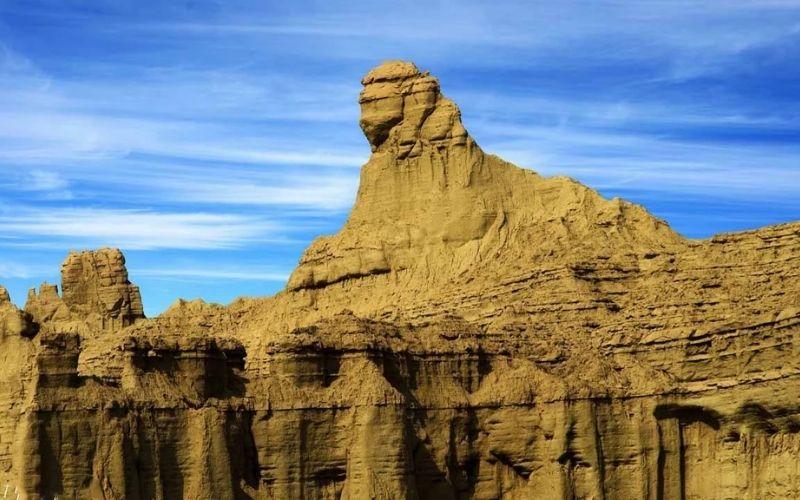
Why Visit:
- Pakistan’s largest national park (6,100 sq km) spanning coastal desert, rocky badlands, and Arabian Sea beaches
- Otherworldly geology featuring natural sphinxes, temples, and active mud volcanoes
- Zero-tourism infrastructure means genuine wilderness solitude
The Mud Volcano Phenomenon
Hingol hosts one of Earth’s most active mud volcano fields. Chandragup, the largest, rises 100 meters a sacred pilgrimage site where methane-fueled eruptions create gurgling, bubbling craters. The mud’s mineral composition supports extremophile bacteria found nowhere else in Pakistan.
Photography golden hour: Dawn, when low-angle sunlight transforms grey mud into copper and gold.
Key Wildlife:
- Sindh Ibex – Desert-adapted wild goats with backward-curving horns, navigating vertical canyon walls
- Balochistan Urial – Reddish sheep thriving on sparse vegetation in rocky terrain
- Marsh Crocodiles – Hingol River’s apex predators (50+ individuals), basking on sandbanks
- Egyptian Vultures – Scavenging flocks circling Princess of Hope rock formation
Best Photography Spots:
- Princess of Hope (sphinx-like rock) at sunset
- Kund Malir Beach turquoise waters meeting golden cliffs
- Buzi Pass panoramic views across layered badlands
Kirthar National Park: The Ibex Kingdom
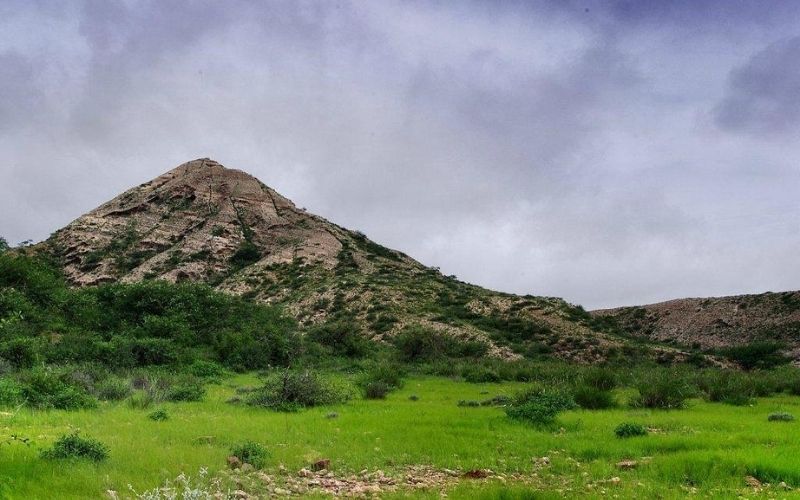
Why Visit:
- Sindh’s largest protected area (3,087 sq km) featuring limestone mountains rising from Indus plains
- Critical habitat for endangered species including Sindh wild goat and Chinkara gazelle
- Ancient petroglyphs and Ranikot Fort world’s largest fort perimeter (32 km)
Key Wildlife:
- Sindh Ibex (Capra aegagrus blythi) – Endemic subspecies, males weighing 90kg with scimitar horns. Population rebounded from 1,000 (1970s) to 3,500+ today
- Chinkara (Indian Gazelle) – Desert antelopes capable of surviving without drinking water, extracting moisture from vegetation
- Indian Wolf – Smaller than Eurasian cousins, hunting gazelles in coordinated packs
- Striped Hyenas – Nocturnal scavengers whose eerie calls echo through canyons
Best Photography Spots:
- Karchat Dam wildlife waterhole with guaranteed ibex sightings at dusk
- Taung Ridge sunrise backlit ibex silhouettes against layered mountains
Lal Suhanra National Park: Where Desert Meets Wetland
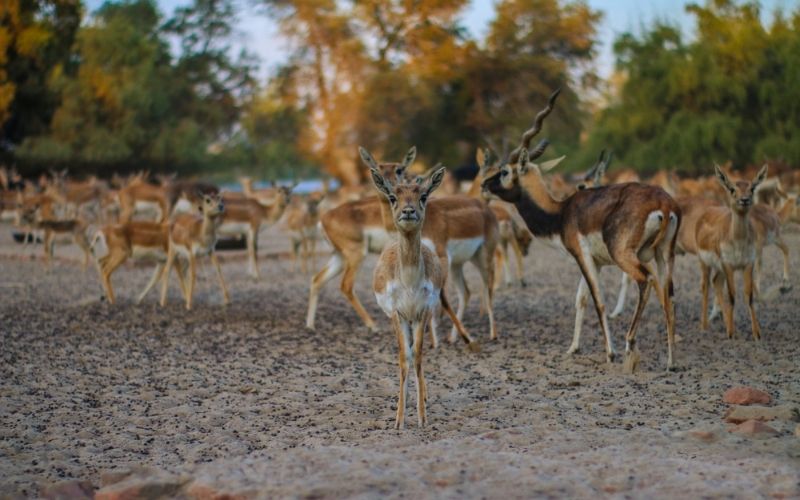
Why Visit:
- Pakistan’s only UNESCO Biosphere Reserve in Punjab (31,355 hectares)
- Unique ecosystem mosaic: Cholistan Desert dunes, irrigated plantations, and seasonal wetlands
- Accessible year-round from Bahawalpur (30 km)
Key Wildlife:
- Blackbuck – Reintroduced from captive breeding, herds now exceed 200 animals. Males display striking spiral horns and black-white coloration
- Nilgai (Blue Bull) – Asia’s largest antelope, males reaching 300kg
- Desert Gazelles – Primarily Chinkara, adapted to 50°C summer temperatures
- Hog Deer – Wetland specialists in park’s irrigated sectors
Best Photography Spots:
- Desert Breeding Center hides controlled antelope viewing
- Wetland observation tower winter migratory waterfowl including pelicans and flamingos
Astola Island: Arabia’s Marine Jewel
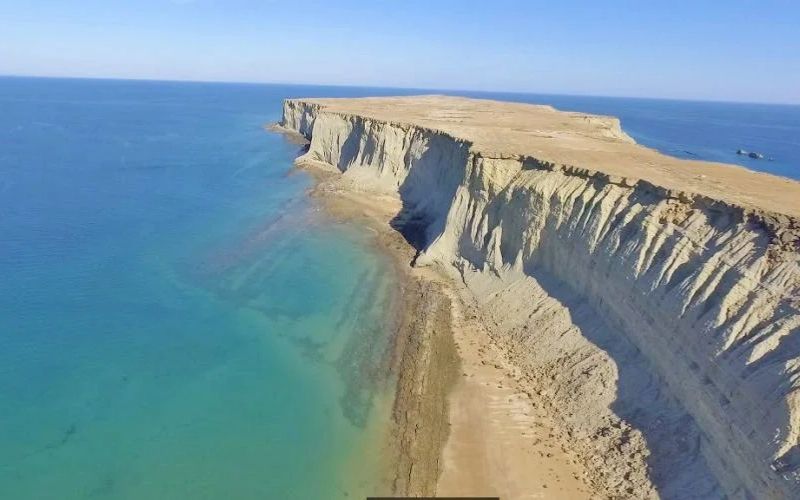
Why Visit:
- Pakistan’s largest offshore island (6.7 sq km), 39 km from Balochistan coast
- Pristine coral reefs and sea turtle nesting beaches
- Zero permanent human habitation
Indus River Dolphin Connection
While Astola protects marine ecosystems, Pakistan’s critically endangered Indus River Dolphin (Platanista minor) survives in isolated river stretches. Functionally blind, these freshwater cetaceans echolocate in muddy currents. Conservation programs protect 1,800+ individuals, primarily in Sindh’s dolphin reserves between Sukkur and Guddu barrages.
Key Marine Wildlife:
- Green Sea Turtles – Nesting April-August on western beaches
- Indo-Pacific Humpback Dolphins – Coastal pods (50+ individuals) hunting around island reefs
- Whale Sharks – Seasonal visitors (October-February) filter-feeding on plankton blooms
Best Photography Spots:
- Snorkeling Gwadar Bay underwater coral gardens with visibility exceeding 20 meters
The Ultimate Pakistan National Parks Comparison
| Park Name | Province/Region | Iconic Animal | Best Months | Difficulty Level | Altitude Range |
| Deosai National Park | Gilgit-Baltistan | Himalayan Brown Bear | June-September | Moderate | 4,000-4,500m |
| Khunjerab National Park | Gilgit-Baltistan | Marco Polo Sheep | May-October | Easy-Moderate | 4,000-7,469m |
| Central Karakoram | Gilgit-Baltistan | Snow Leopard | June-August | Expert | 3,000-8,611m |
| Margalla Hills | Islamabad Capital | Common Leopard | Oct-April | Easy | 500-1,600m |
| Ayubia National Park | Khyber Pakhtunkhwa | Himalayan Musk Deer | April-October | Easy | 2,400-3,000m |
| Machiara National Park | Azad Kashmir | Flare-Horned Markhor | October-November | Moderate | 1,500-4,500m |
| Chitral Gol | Khyber Pakhtunkhwa | Markhor | September-November | Moderate | 2,450-4,877m |
| Hingol National Park | Balochistan | Sindh Ibex | November-March | Moderate | 0-1,200m |
| Kirthar National Park | Sindh | Sindh Wild Goat | November-February | Moderate | 300-1,500m |
| Lal Suhanra | Punjab | Blackbuck | October-March | Easy | 110-140m |
| Astola Island | Balochistan | Green Sea Turtle | October-April | Moderate | Sea level |
| Kirthar (Riverine) | Sindh | Indus Dolphin Reserve | December-February | Easy | 50-100m |
| Saiful Malook | Khyber Pakhtunkhwa | Himalayan Snowcock | July-September | Moderate | 3,224m |
| Lulusar-Dudipatsar | Khyber Pakhtunkhwa | Himalayan Ibex | June-September | Difficult | 3,200-4,800m |
| Broghil Valley | Khyber Pakhtunkhwa | Marco Polo Sheep | July-September | Difficult | 3,200-4,500m |
Responsible Wildlife Tourism: Protecting Pakistan’s Natural Heritage
As eco-tourism grows in Pakistan’s biodiversity hotspots, visitor impact threatens the very ecosystems travelers come to experience. Implement these Leave No Trace principles adapted for Pakistan’s unique challenges:
Pack Out All Waste Especially Plastics
Pakistan’s mountain communities lack waste infrastructure. What you carry in, carry out including fruit peels (they’re non-native and alter soil chemistry). In 2024, cleanup expeditions removed 12 tons of trash from Deosai alone.
Maintain Wildlife Distance Minimums
- Predators (leopards, bears): 100+ meters. Never approach, even for photos
- Ungulates (markhor, ibex): 50+ meters. Use telephoto lenses (300mm+)
- Nesting birds: 25+ meters. Drone photography is illegal in all national parks
Support Community-Based Conservation
Choose local guides from conservation programs. Trophy hunting revenue in Chitral Gol allocates 80% to local villages, ensuring communities that protect wildlife earn far more than poachers ever could.
Avoid Peak Wildlife Stress Periods
Don’t visit during rutting seasons (when animals breed) or birthing periods. Disturbance causes maternal abandonment and reduces reproductive success.
Campfire Restrictions
Use portable gas stoves. Wood collection decimates alpine scrub that takes decades to regenerate. In Deosai, illegal campfires have reduced vegetation cover by 15% near tourist campsites.
Report Violations
Document illegal hunting, habitat destruction, or ranger misconduct. Contact Pakistan Wildlife Foundation (+92-51-111-001-111) with photo evidence.
Conservation Wins: The 2026 Update
Pakistan’s wildlife conservation landscape is transforming rapidly. Recent developments demonstrate growing commitment to protecting endangered species in Pakistan national parks:
Snow Leopard Population Rebound
January 2025 census data showed snow leopard numbers have risen by 22% since 2020, with an estimated 450–500 individuals now nationwide. Upgraded camera trap networks in Khunjerab and Central Karakoram documented breeding females with cubs proof that anti-poaching measures work.
Indus Dolphin Rescue Operations
The 2024 monsoon floods stranded 87 Indus dolphins in irrigation canals. Wildlife teams rescued and relocated 82 individuals back to main river channels Pakistan’s largest-ever cetacean rescue operation. The Indus Dolphin Reserve now extends protection across 1,200 kilometers of river habitat.
New Protected Areas Announced
- Shimshal Valley Wildlife Sanctuary (Gilgit-Baltistan): 3,800 sq km protecting critical snow leopard corridors, gazetted December 2025
- Chagai Desert National Park (Balochistan): 15,000 sq km safeguarding Asiatic cheetah potential reintroduction sites
Community Ranger Programs Expansion
Over 300 village conservation committees now employ 1,200+ community rangers across northern Pakistan. These locals-turned-protectors reduced poaching incidents by 64% in participatory parks compared to government-only enforcement zones.
Wildlife Tourism Infrastructure
The Pakistan Tourism Development Corporation launched eco-lodges in Deosai (opened July 2025) and Khunjerab, built using sustainable materials and solar power. Revenue-sharing ensures 40% of profits fund local schools and healthcare.
Conclusion: Pakistan’s Wildlife Renaissance
Pakistan stands at a conservation crossroads where centuries of biodiversity loss can reverse through enlightened tourism and community empowerment. From the best wildlife areas in Pakistan like Deosai’s bear meadows to Astola’s turtle beaches, these protected landscapes represent more than scenic backdrops.
They’re living laboratories where snow leopards recover from near-extinction, where dolphin populations stabilize against damming pressures, and where villages prosper by protecting rather than exploiting nature.
The country’s geographic extremes spanning five ecological zones across 1,200 kilometers compress biodiversity found across entire continents. Where else can you photograph endangered river dolphins in morning, then track high-altitude sheep by afternoon?
For adventurous travelers, Pakistan offers wildlife experiences increasingly rare globally: parks without crowds, predator encounters without fences, and communities where conservation genuinely improves human lives. The wildlife photography locations remain raw and authentic unmanicured wilderness requiring effort, respect, and adaptability.
As international tourism rebounds post-pandemic, Pakistan’s eco-tourism sector positions itself as Asia’s next frontier. The infrastructure improvements of 2025-2026 make these parks more accessible than ever, while strengthened regulations ensure tourism doesn’t destroy what it celebrates.
Visit responsibly. Pakistan’s wildlife has survived millennia of challenges ensure your footprints contribute to recovery, not decline.
Frequently Asked Questions (FAQs)
Do foreign tourists need special permits to visit Pakistan’s national parks?
Most national parks require standard entry permits available on-site or through tour operators. Exceptions requiring advance permission:
- Central Karakoram National Park: Trekking permits from Alpine Club of Pakistan (4-6 weeks processing)
- Border parks (Khunjerab, Broghil): NOC (No Objection Certificate) from Ministry of Interior for non-Pakistani nationals
- Restricted areas near Line of Control: Military clearance mandatory
Standard entry fees: PKR 50-500 for Pakistanis, PKR 500-2,000 for foreigners. Camping permits add PKR 200-1,000 per night. Carry passport/CNIC and cash card payments remain unavailable at remote parks.
Is it safe to visit Pakistan’s wildlife areas as a solo traveler?
Wildlife safety is excellent; logistical challenges exist. Predator attacks are statistically negligible (fewer than 5 incidents annually across all parks). Real risks include:
- Altitude sickness in high-elevation parks (Deosai, Khunjerab)
- Flash floods during monsoon (July-August) in Hingol and desert parks
- Road conditions: Karakoram Highway experiences landslides; hire experienced drivers
Solo female travelers: Parks near cities (Margalla, Ayubia, Lal Suhanra) are safe for independent visits. Remote areas (Deosai, Kirthar) strongly recommend joining tour groups or hiring registered guides. Pakistan Wildlife Foundation maintains vetted guide directories.
Security has dramatically improved 2025 saw zero tourist incidents in national parks. Always register with local police checkposts when entering border-region parks.
What camera gear is essential for wildlife photography in Pakistan’s national parks?
Minimum recommended setup:
- Telephoto lens: 300mm f/4 or 100-400mm zoom (wildlife distance ethics require reach)
- Wide-angle: 16-35mm for landscapes (Deosai plateaus, Hingol badlands)
- Weather sealing: Dust storms (desert parks) and sudden rain (alpine areas) are common
Pro additions:
- 1.4x or 2x teleconverter for distant subjects (Marco Polo sheep, snow leopards)
- Monopod/tripod: Essential for low-light dawn/dusk shots when animals are most active
- Circular polarizer: Reduces haze in high-altitude photography
Power solutions: Solar chargers or 10,000+ mAh power banks electricity is unreliable in remote parks. Carry spare batteries (cold temperatures in Deosai drain batteries 40% faster).
Drone photography is illegal in all national parks without federal permits (rarely granted). Ground-based photography only.
Which park offers the highest probability of spotting Pakistan’s national animal, the markhor?
Chitral Gol National Park provides 70-80% sighting probability during October-November rut season. The park’s concentrated population (3,000+ animals in 7,750 hectares) and open terrain make it Pakistan’s premier markhor destination.
Viewing strategy:
- Hire Chitral-based guides who monitor herds via local networks
- Visit during rut (October-November) when males descend to lower elevations
- Best spots: Singoor Valley ridgelines, early morning (6-9 AM)
Runner-up: Machiara National Park (50-60% probability) offers easier access from Islamabad (6-hour drive) with 500+ markhor population. Prime viewing near Guthri village.
Trophy hunting benefit: Community conservation programs mean locals actively protect markhor they’ll guide you to herds since tourism provides alternative income.
Can I see Indus River dolphins, and where exactly?
Yes, Pakistan’s Indus River Dolphin (one of only four freshwater dolphin species worldwide) is observable at designated reserves:
Best locations:
- Sukkur Barrage Dolphin Reserve (Sindh): Highest concentration (800+ dolphins). Viewing platforms at Sukkur Barrage, boat tours available
- Guddu-Sukkur Dolphin Reserve: 190 km river stretch with 400+ individuals
Viewing tips:
- Best months: December-February (low water increases surface time)
- Time: Early morning (6-9 AM) when dolphins feed actively
- Hire boat guides from Sukkur or Guddu (PKR 2,000-4,000 for 2-hour excursion)
- Look for dorsal fin breaks and listen for echolocation clicks (dolphins are functionally blind)
Conservation context: Populations rebounded from 1,200 (1970s) to 1,800+ today thanks to barrage modifications improving river flow. Still critically endangered due to irrigation development and entanglement in fishing nets.
What’s the best month to visit if I want to see the maximum variety of species?
October emerges as Pakistan’s wildlife sweet spot, offering optimal conditions across multiple ecosystems:
Why October excels:
- Northern parks (Deosai, Khunjerab): Still accessible before winter closures, wildlife preparing for hibernation/migration (high activity)
- Forest parks (Margalla, Ayubia): Post-monsoon clarity, resident leopards most active
- Desert parks (Hingol, Kirthar): Temperatures drop to comfortable ranges (25-30°C), migratory birds arriving
- Marine (Astola): Calm seas, whale shark season begins
Species diversity peak: Combine resident fauna (ibex, markhor, leopards) with early winter migrants (waterfowl, raptors) before harsh weather restricts access.Alternative: March-April for spring migrations and newborn ungulates, though higher-altitude parks remain snowbound until May.